When choosing a roof, weight is not always the first thing that comes to mind. Strength, durability, appearance and cost usually get more attention. But the weight of a roofing material can also affect how easily it can be transported and handled.
That is where lightweight roofing sheets can be useful. They are easier to handle than many traditional roofing materials, but being lightweight does not automatically mean being weak.
The right choice, therefore, is not simply about finding the lightest sheet available. It is about finding a material that offers the right balance of weight, strength and weather resistance for the building.
Common Types of Lightweight Roofing Sheets
There is no single material that works for every roof. Here are some of the commonly used types of lightweight roofing sheets and where they may make sense.
-
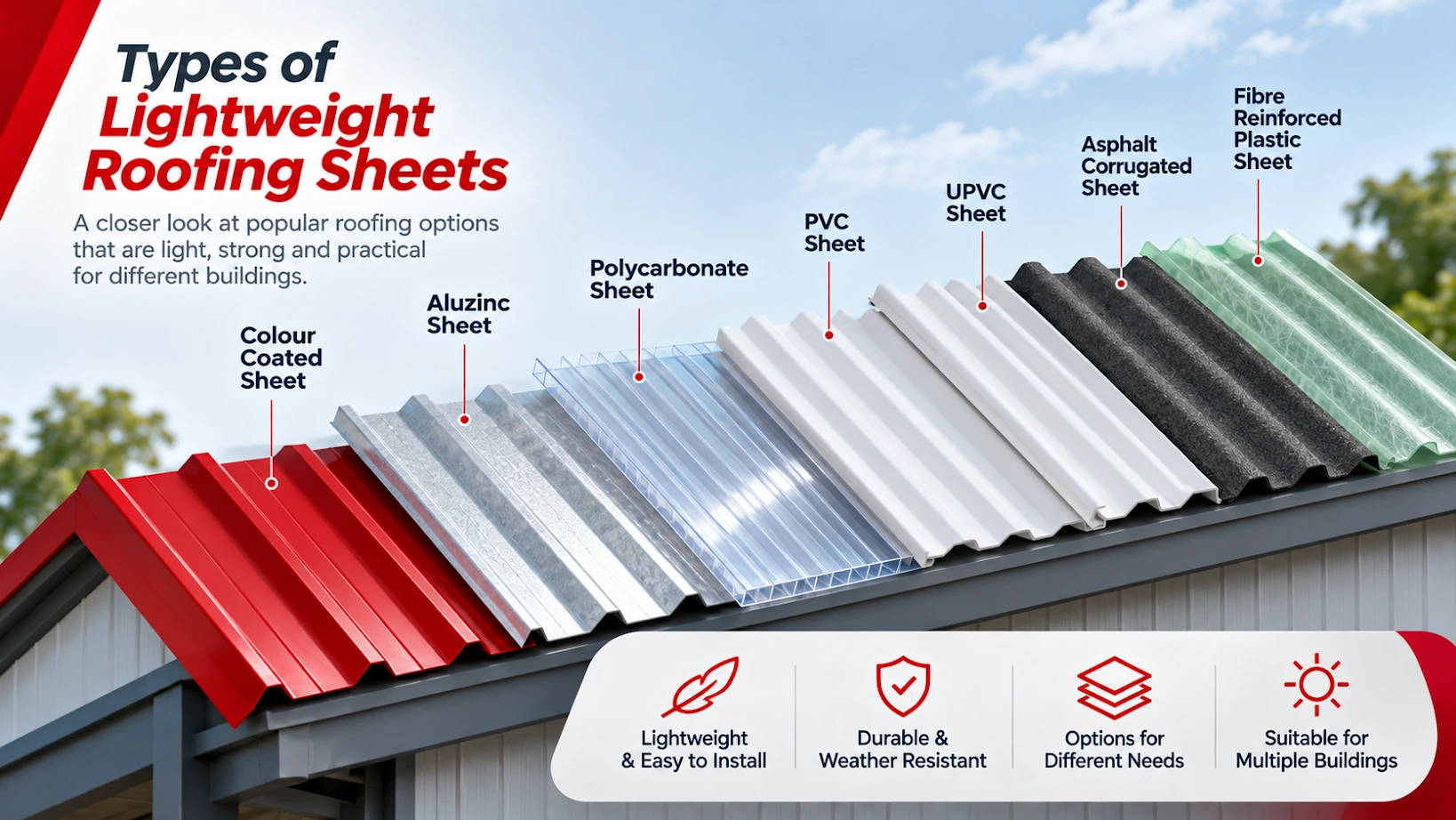
Colour Coated Sheet

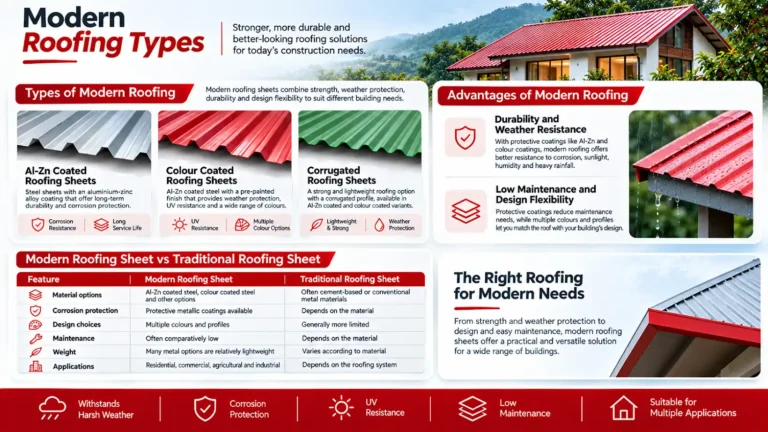
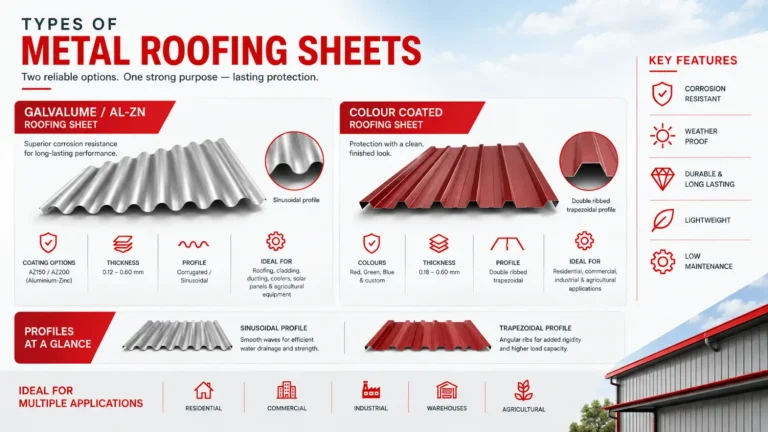
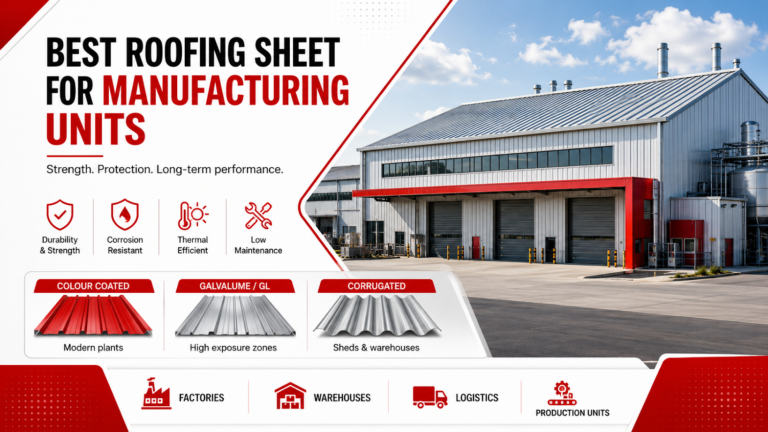
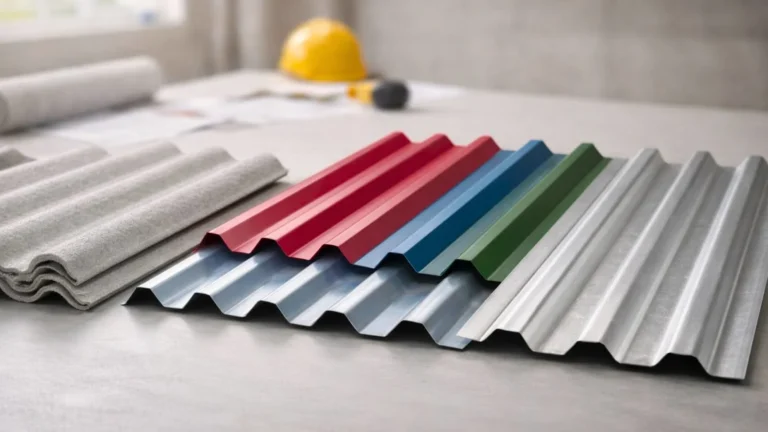
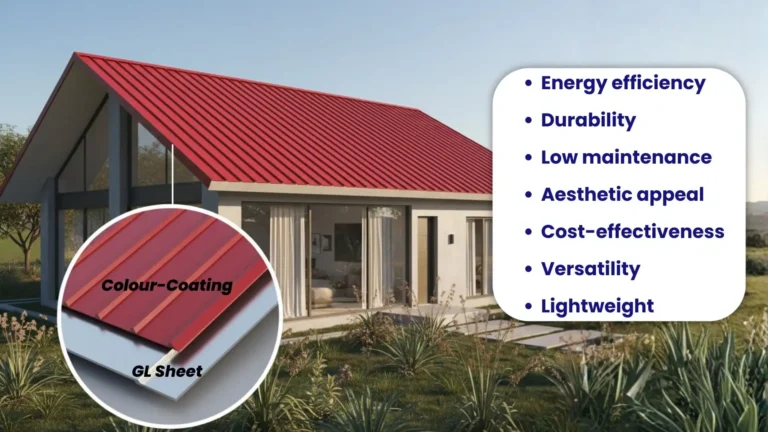
Colour coated sheets are among the lightest roofing options available, made from thin, high-strength steel with a galvanised or galvalume base and a protective paint finish. Because they weigh far less than concrete slabs or clay tiles, they put very little load on walls and columns, which means the supporting structure can be lighter and more economical. Their low weight also makes them easy to lift, carry and fix on site, so installation is faster and needs fewer workers. Transporting them costs less too, since more sheets can be moved in a single trip. Along with being light, they come in many colours and profiles, which makes them a smart choice for homes, warehouses and commercial buildings.
-
Aluzinc Sheet
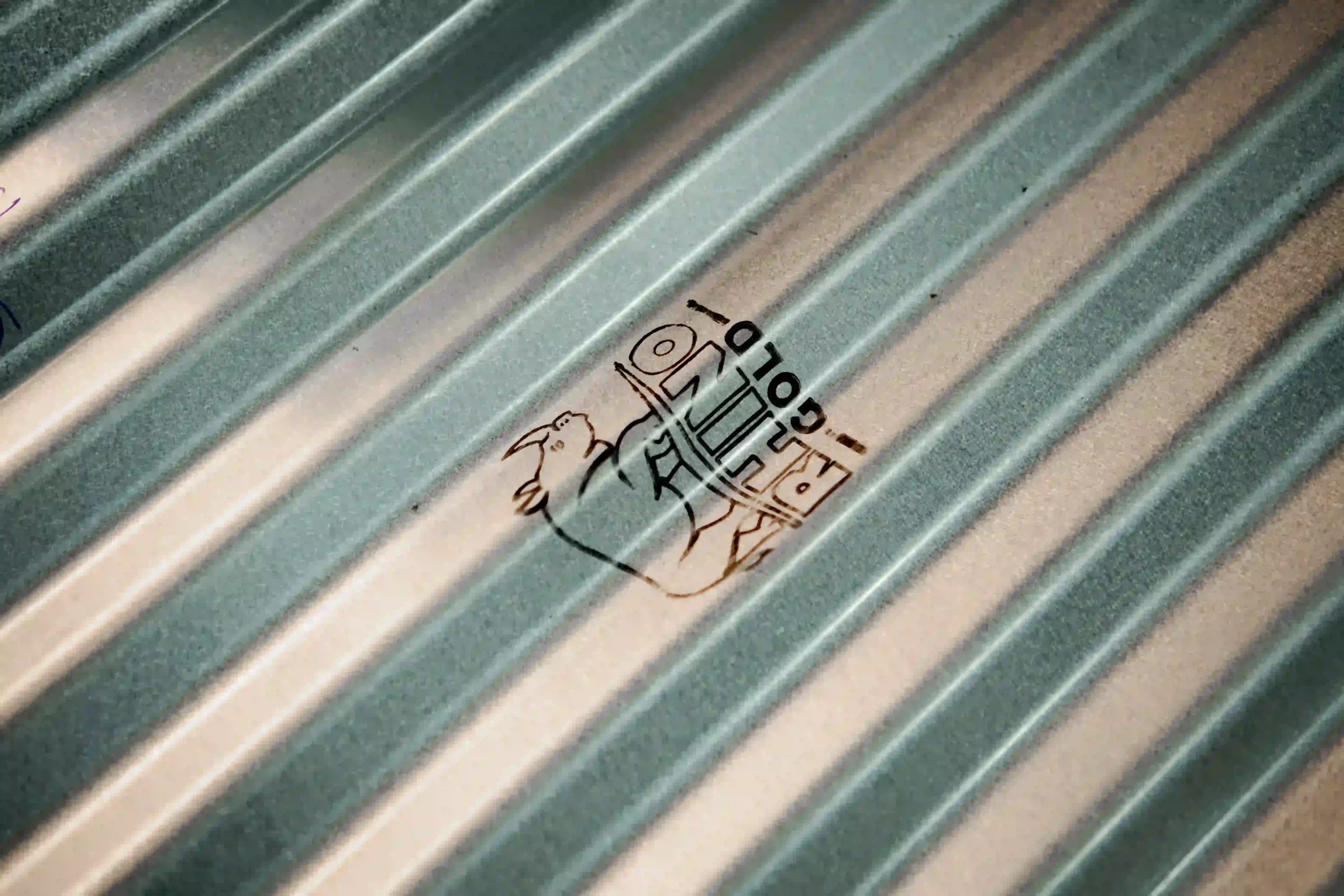
Aluzinc sheets combine a thin steel core with a coating of aluminium, zinc and silicon, giving them excellent strength while keeping them remarkably light. This high strength-to-weight ratio allows wide roof spans to be covered without heavy trusses or extra support, which helps reduce overall construction costs. Their light build makes them simple to handle at height, quicker to install and well suited to large projects like factories, sheds and warehouses where speed matters. Even with their low weight, they resist corrosion very well and reflect much of the sun’s heat, so the roof stays durable and the space below stays cooler.
-
Polycarbonate Sheets
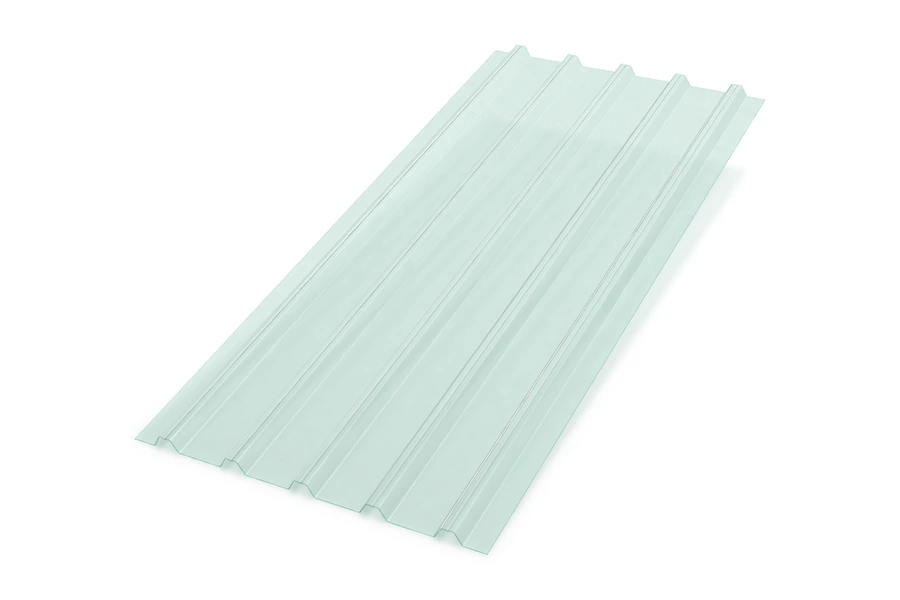
Polycarbonate sheets are popular where natural daylight is important. They allow light to pass through, making them useful for skylights, walkways, patios, covered areas and some industrial spaces.
The sheet should be selected according to its UV protection, heat resistance, impact strength and profile. A translucent sheet designed for a small covered area may not be suitable for every roofing application.
-
PVC Sheet
PVC sheets are plastic-based roofing materials that are relatively light and easy to handle. They can be used for sheds, utility areas, temporary structures and other applications where low weight and ease of installation are useful.
Their performance can vary depending on the quality of the material and the conditions in which the roof is installed. Exposure to strong sunlight, high temperatures and physical impact should all be considered before making a choice.
-
UPVC Sheet
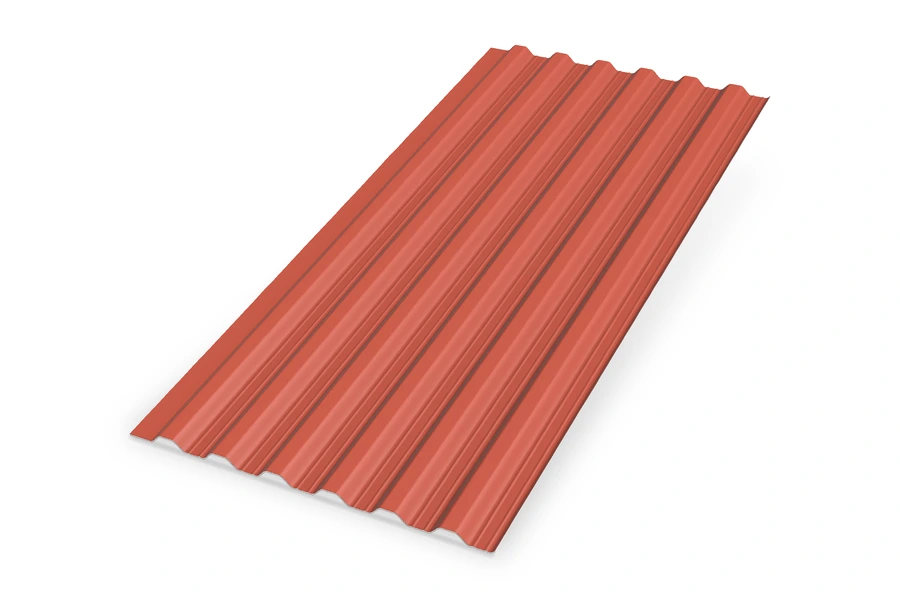
UPVC Sheets are another lightweight plastic roofing option. They are resistant to rust and can be useful in areas where moisture and corrosion are concerned.
They are often considered for utility buildings, industrial areas and covered spaces. A lightweight sheet should always be matched to the conditions it will face rather than selected simply because it is easy to carry.
-
Asphalt Corrugated Sheet
Asphalt Corrugated Sheets are generally made using a fibre-based material treated with bitumen or asphalt. Their relatively low weight can make transportation and installation easier.
They may be used for agricultural buildings, sheds and utility structures where practical weather protection is needed without adding excessive weight to the structure.
-
Fibre Reinforced Plastic Sheet
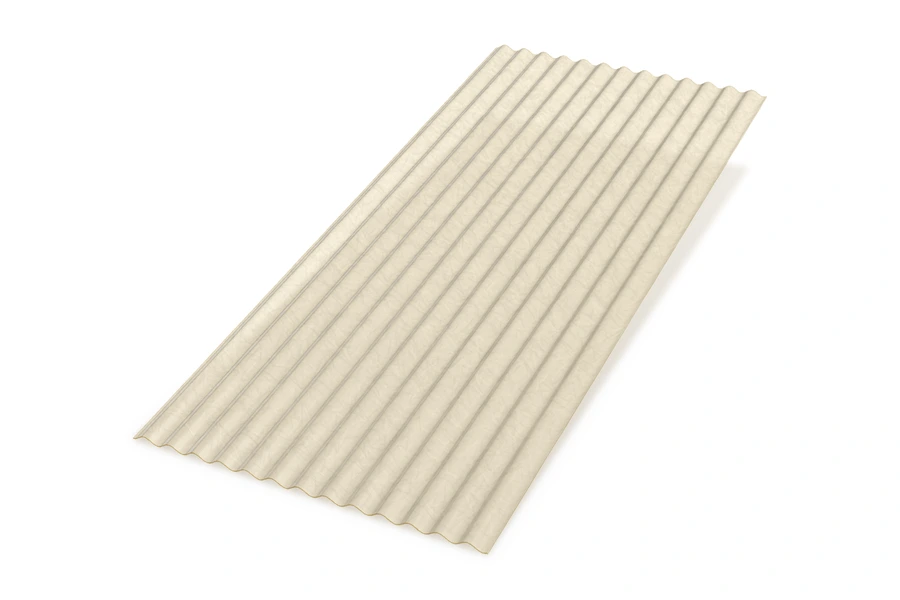
Fibre reinforced plastic sheets combine a resin material with reinforcing fibres. This gives them more rigidity than ordinary plastic sheets while keeping them relatively light.
They can be useful in industrial, agricultural and utility applications. Some versions are also available in translucent forms where daylight is required.
The type of resin and fibre, sheet thickness, UV protection and impact resistance can all affect performance. These details are more important than simply looking at the sheet’s weight.
Comparing Different Lightweight Roofing Options
| Roofing type | Main advantage | Common applications | What to check |
|---|---|---|---|
| Polycarbonate Sheets | Natural light transmission | Skylights, patios, walkways | UV protection, heat and impact resistance |
| Colour Coated Sheets | Lightweight with a durable, long-lasting colour finish | Homes, warehouses, factories, commercial buildings | Base metal, thickness, paint quality and profile |
| Aluzinc Sheets | Lightweight with high corrosion and heat resistance | Industrial sheds, warehouses, agricultural buildings | Coating grade, thickness and profile |
| PVC Sheets | Low weight and corrosion resistance | Sheds and utility areas | UV exposure, temperature and impact |
| UPVC Sheets | Lightweight and rust-free | Industrial and utility structures | Weather resistance and fixing |
| Asphalt Corrugated Sheets | Lightweight weather protection | Agricultural and utility buildings | Sunlight, temperature and maintenance |
| Fibre Reinforced Plastic Sheets | Light weight with added rigidity | Industrial and agricultural buildings | Resin, fibre, UV and impact resistance |
Lightweight roofing sheets come in many materials, and each one suits a different need. Polycarbonate sheets are ideal where natural light matters, such as skylights, patios and walkways. Colour coated and Aluzinc sheets combine low weight with strength and long-term protection, which makes them reliable choices for homes, warehouses, factories and industrial sheds. PVC and UPVC sheets are light and rust-free, so they work well for sheds, utility areas and industrial structures. Asphalt corrugated and fibre reinforced plastic sheets are popular for agricultural and utility buildings because they offer weather protection and added rigidity without adding much load. Before choosing any of these options, it is important to check factors like thickness, coating or material quality, UV and impact resistance, and how well the sheet handles local temperature and weather conditions.
How to Choose the Right Lightweight Roof Sheet
Choosing lightweight roofing sheets becomes easier when the building is considered first.
A warehouse, for example, may require a stronger profiled metal sheet because the roof has to deal with larger spans and greater exposure to wind and rain. A covered walkway may have very different requirements, particularly if natural light is important.
Before making a decision, consider:
- Building structure: Check the roof span and spacing between supports.
- Local weather: Rainfall, wind, heat and humidity can affect material selection.
- Sun exposure: Strong UV exposure can affect some plastic and coated materials over time.
- Thickness: A lighter or thinner sheet is not automatically suitable for every application.
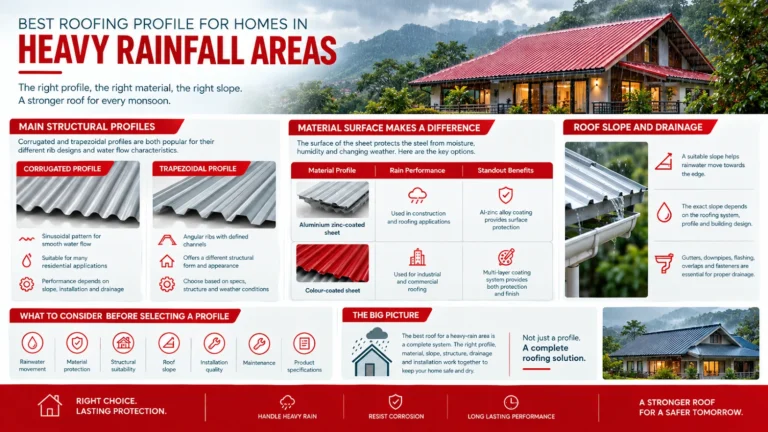
- Profile: Corrugations and ribs can improve rigidity and water drainage.
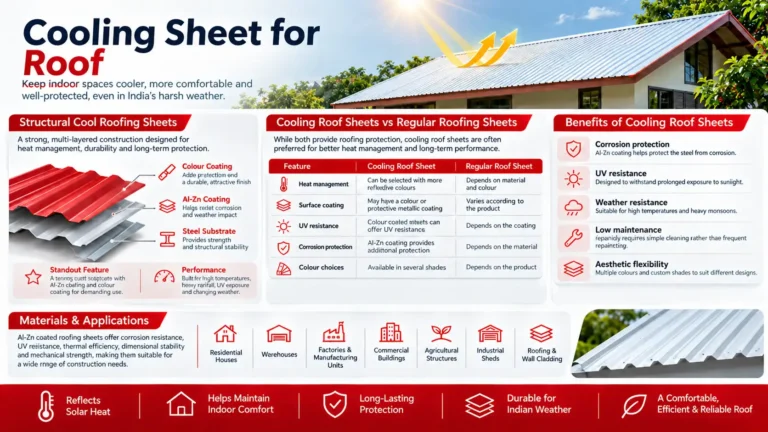
- Coating: For metal sheets, the protective coating plays an important role in corrosion resistance.
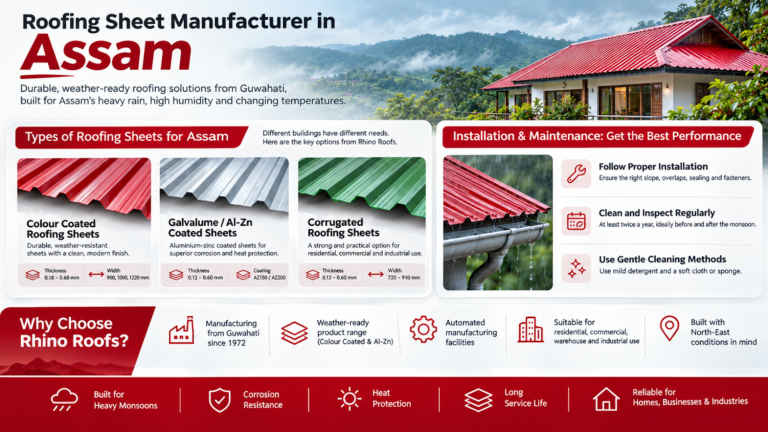
- Installation: Correct overlaps, fasteners and support spacing are essential for roof performance.
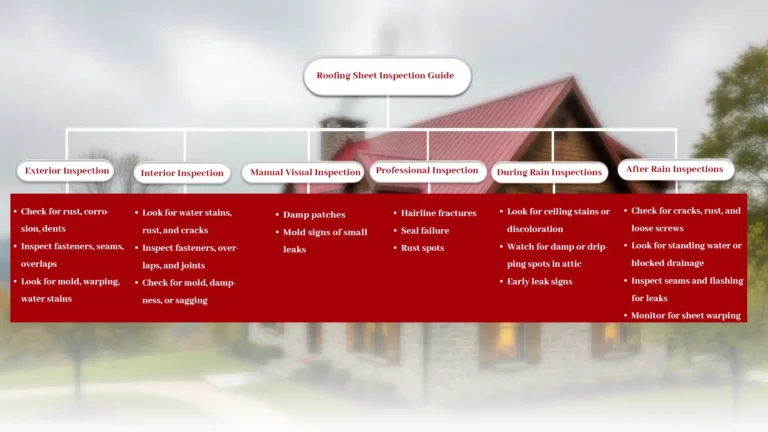
- Maintenance: Consider how easy the material will be to inspect, clean and repair.
One useful distinction is the difference between lightweight and light-duty. A lightweight roof can still be designed for demanding conditions. The goal is to reduce unnecessary weight while retaining the strength and protection required by the building.
Conclusion
There are several options when looking at lightweight roofing sheets, from metal and plastic sheets to translucent and fibre-reinforced materials. Each one has its own strengths, limitations and suitable applications.
The best lightweight roofing sheets are not necessarily the lightest ones. They are the ones that provide the right combination of strength, weather resistance, durability, maintenance and ease of installation for a particular building.
A good roofing decision starts with the building and its environment. Once those requirements are clear, comparing the different materials becomes much simpler and more practical.
Written and Verified by:
Rhino Roofs
Bio: Leading roofing sheet manufacturer with 50+ years of experience in the Northeast. Rhino Roofs provides colour coated, galvalume (Aluminium Zinc coated) and asbestos cement roofing sheets.
FREQUENTLY ASK QUESTIONS
Common options include Polycarbonate Sheets, Corrugated Roofing Sheets, PVC Sheets, UPVC Sheets, Asphalt Corrugated Sheets, and Fibre Reinforced Plastic Sheets. Each material offers different benefits, so the right choice depends on the building, weather conditions, required strength and intended use.
Yes, some lightweight roofing sheets can be suitable for industrial buildings. But strength depends on the material, thickness, profile, coating, support spacing and installation method. A lightweight sheet should not be selected based on weight alone.
Materials with good UV resistance are generally more suitable for areas exposed to strong sunlight. Polycarbonate, coated metal and certain plastic roofing sheets can be considered, but their UV protection and temperature performance should be checked before installation.
Yes. Because they weigh less than many heavier roofing materials, lightweight roof sheets can reduce the dead load placed on the building structure.
Start by considering the building type, roof structure, local weather, sunlight exposure, required durability and maintenance needs. Then compare material, thickness, profile, coating and installation requirements.