When heavy rain becomes a regular part of the weather, a roof has to do much more than simply cover a home. It needs to move rainwater away efficiently, withstand prolonged moisture exposure and remain reliable over time. This is why choosing the right roofing sheet deserves careful attention, particularly in parts of India that experience intense monsoons.
The shape of the sheet, its protective coating, the roof slope and the quality of installation all influence how a roof performs during heavy rainfall.
For homeowners, finding the best roof profile for heavy rain is therefore less about choosing a particular shape and more about selecting a complete roofing solution that suits the building and its surroundings.
What are the Main Structural Profiles for Heavy Rain?
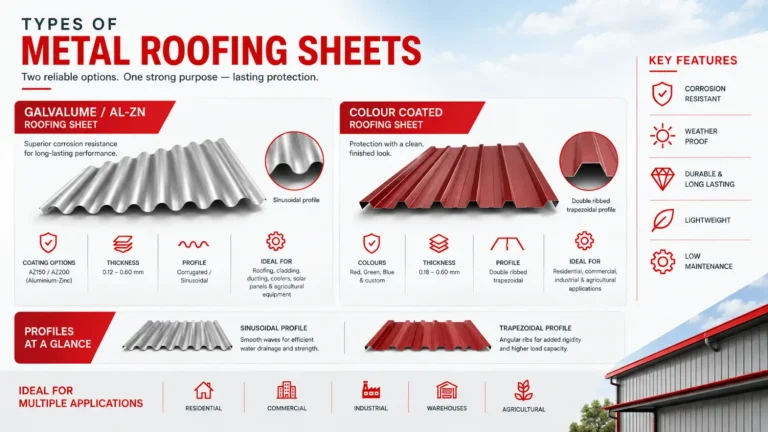
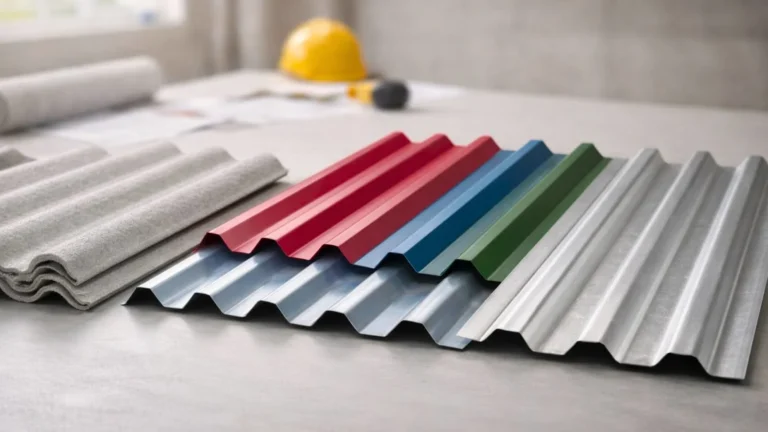
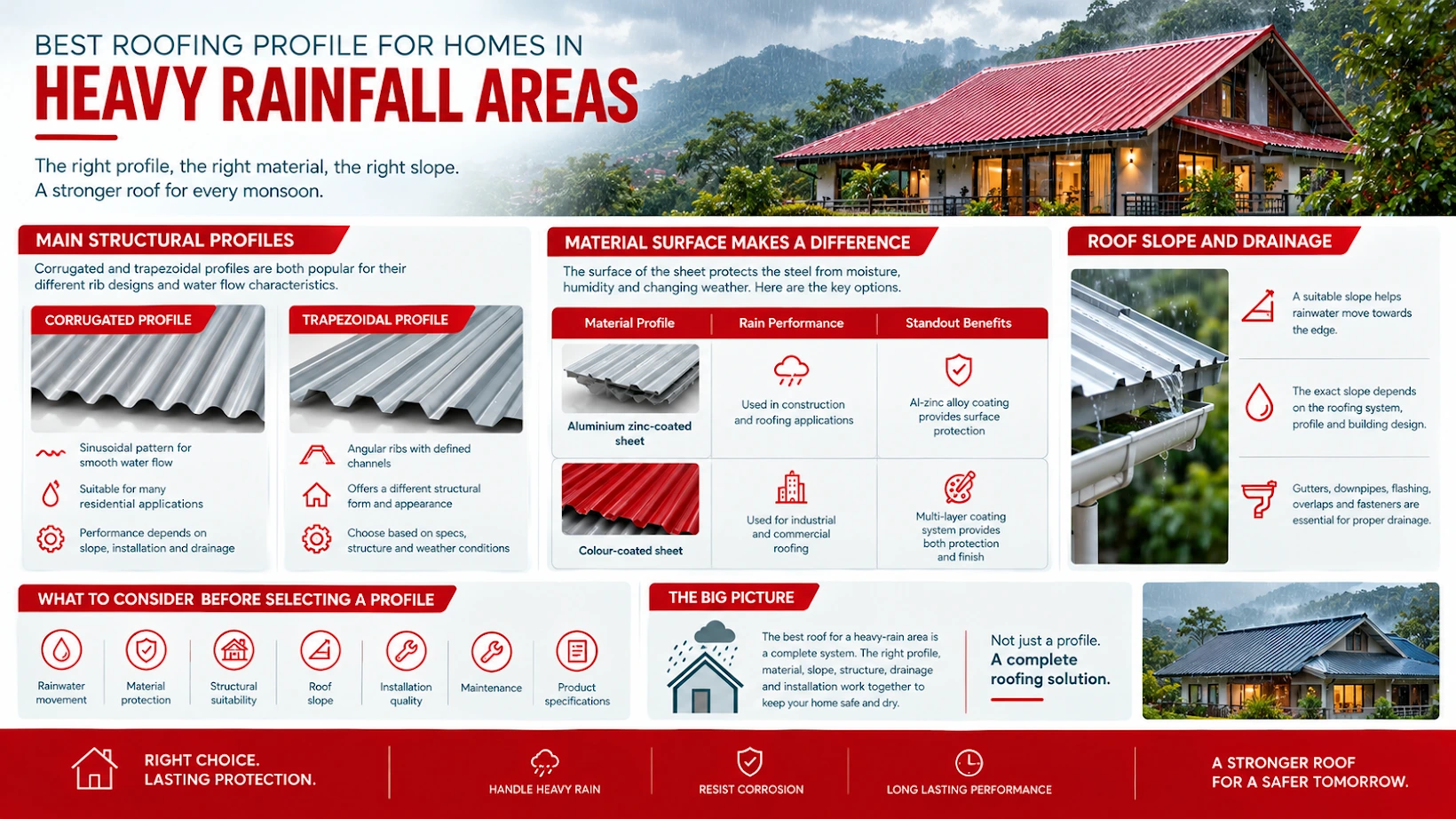
When discussing the best roof profile for heavy rain, corrugated and trapezoidal profiles are often considered because of their different rib designs.
A corrugated profile consists of repeated curves, while a trapezoidal profile has angular ribs with more defined channels. Both can be used as part of roofing systems, depending on the application and manufacturer’s specifications.
-
Corrugated Roofing Sheet
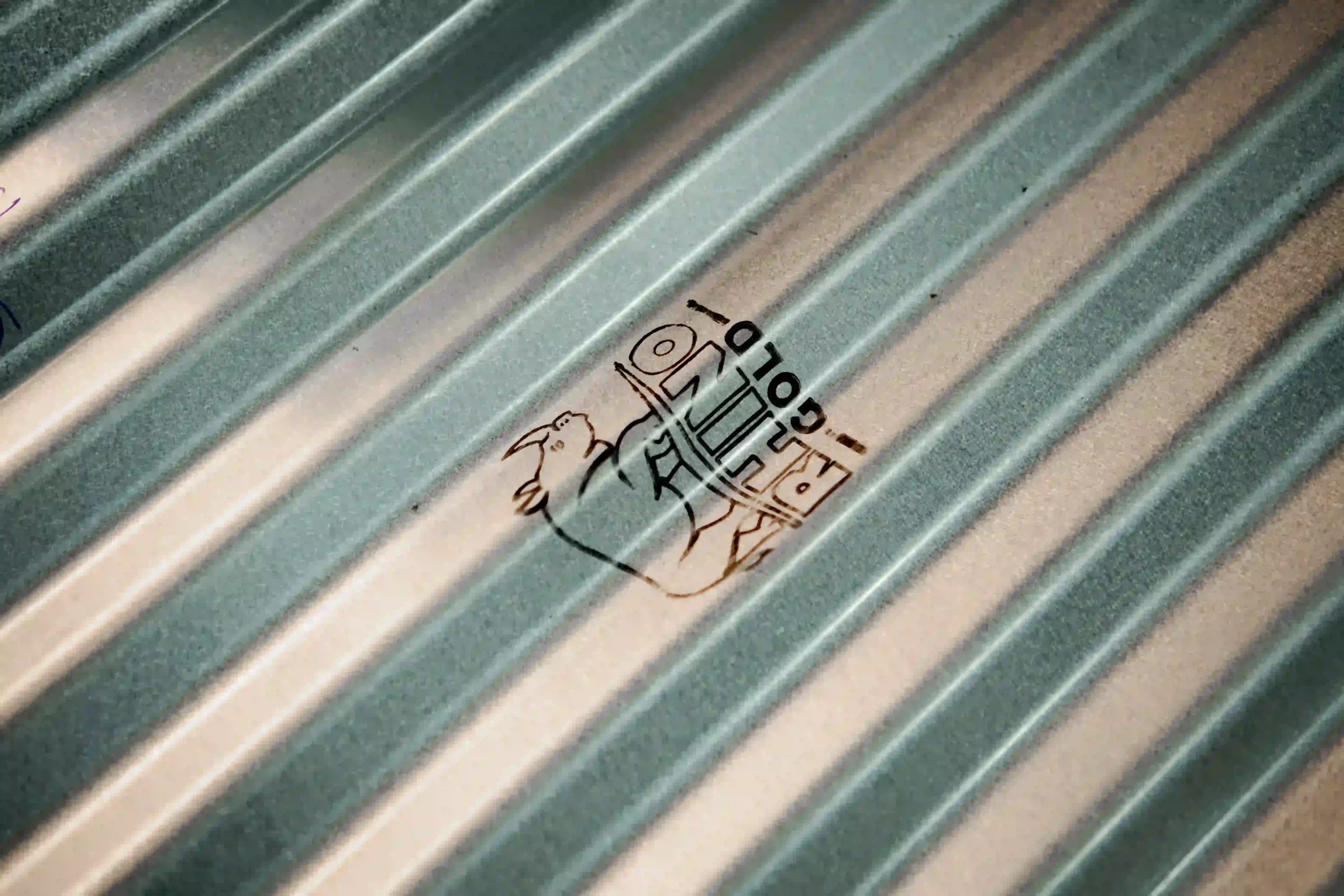
A corrugated roofing sheet has a familiar wave-like (sinusoidal) pattern formed across its surface. These repeated curves provide channels through which rainwater can flow towards the edge of the roof.
For homes located in rainy regions, corrugated sheets can be considered where their specifications match the roof design and structural requirements. Their performance will still depend on factors such as roof slope, sheet installation, overlaps and drainage.
The important point is that choosing a corrugated profile is only one part of creating an effective roofing system. Learn more about why corrugated profile roof sheets are reliable.
-
Trapezoidal Roofing Sheet

A trapezoidal roofing sheet has angular ribs rather than the rounded waves found on a corrugated sheet. The more defined rib pattern gives the sheet a different structural form and appearance.
Homeowners should compare the technical specifications of the available products and consider the roof’s dimensions, structural support, slope and expected weather conditions. The selected profile should also be installed according to the manufacturer’s recommendations.
What Should You Consider Before Selecting a Roofing Profile?
Selecting a roof profile becomes much easier when the decision is approached as a complete system rather than a simple comparison between sheet shapes.
A practical roofing profile selection guide should include the following considerations:
- Rainwater movement: Make sure the roof design provides clear paths for water to reach the drainage system.
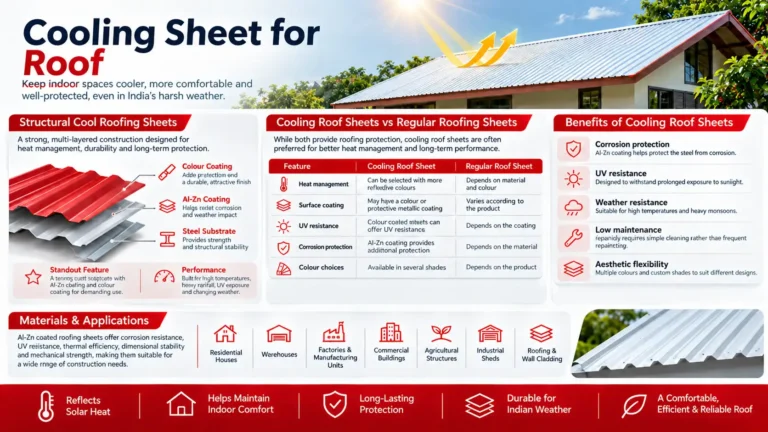
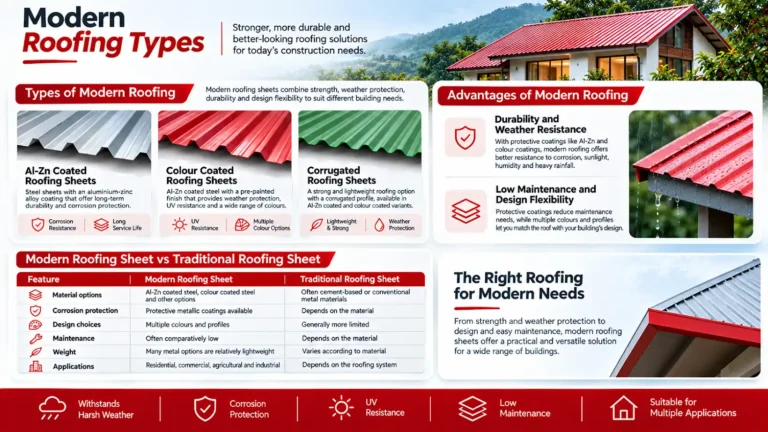
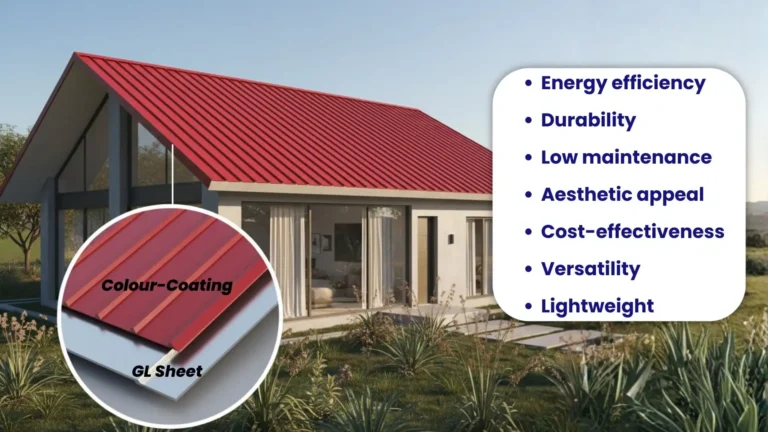
- Material protection: Compare Galvalume and colour-coated options according to the project’s requirements.
- Structural suitability: The selected sheet should be compatible with the supporting structure and design requirements.
- Roof slope: Ensure the slope is appropriate for the selected roofing system and local weather conditions.
- Installation quality: Correct overlaps, fasteners, flashings and gutters are essential for effective performance.
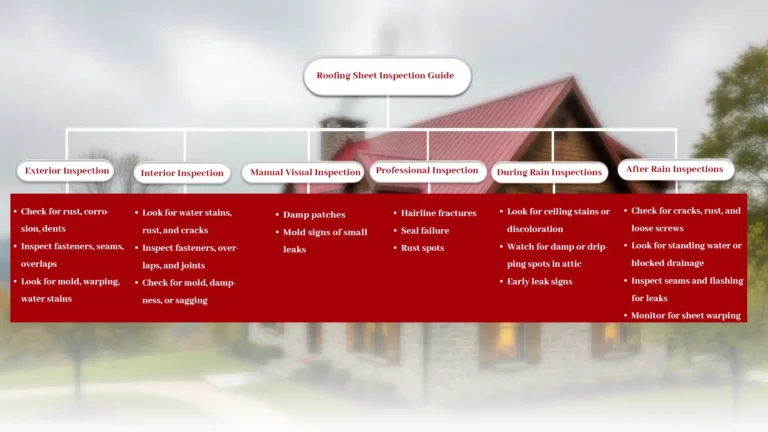
- Maintenance: The roof should be accessible for periodic inspection and maintenance, particularly before and after the monsoon.
- Product specifications: Check the manufacturer’s information for sheet thickness, coating details, profile dimensions and installation requirements.
How Does Roof Slope Affect Rainwater Drainage?
Even the right roofing profile can struggle if the roof has not been designed with suitable drainage in mind. Roof slope for heavy rain is therefore an important part of the overall roofing plan.
A suitable slope allows rainwater to move towards the edge of the roof instead of remaining on the surface for extended periods. The exact slope, however, depends on the roofing system, profile, building design and applicable technical requirements.
It is also important to remember that the slope is only one part of drainage. Gutters, downpipes, flashing, overlaps and fasteners must all be properly designed and installed.
How Does the Material Surface Affect Rain Performance?
Rain resistance is not determined by the sheet profile alone. The surface of the steel is equally important because the roofing material remains exposed to moisture, humidity and changing weather conditions throughout its service life.
This gives homeowners several material options to consider when looking for the best roofing sheet for rainy areas. The right choice will depend on the project’s requirements, environmental exposure and product specifications.
| Material Profile | Rain Performance | Standout Benefits |
|---|---|---|
| Aluminium zinc coated sheet | Used in construction and roofing applications | Al-zinc alloy coating provides surface protection |
| Colour coated sheet | Used for industrial and commercial roofing | Multi-layer coating system provides both protection and finish |
Conclusion
Choosing the right roof for a home in a heavy-rain area involves more than deciding between a corrugated sinusoidal or trapezoidal profile. The shape of the sheet is important, but so are the coating, roof slope, supporting structure, drainage arrangement and installation quality.
For homeowners, the most sensible approach is to assess the roof as a complete system. A suitable roofing sheet profile, combined with the right material, adequate slope and proper installation, can help create a roof better prepared for India’s demanding monsoon conditions.
Rather than looking for one profile that is universally considered the best, it is more useful to select a product that matches the specific requirements of the home, the local climate and the overall roof design.
Written and Verified by:
Rhino Roofs
Bio: Leading roofing sheet manufacturer with 50+ years of experience in the Northeast. Rhino Roofs provides colour coated, galvalume (Aluminium Zinc coated) and asbestos cement roofing sheets.
FREQUENTLY ASK QUESTIONS
There is no single profile that is best for every home. Corrugated and trapezoidal profiles should be assessed according to the building design, drainage requirements, structural support and manufacturer’s specifications.
Yes. Corrugated sheets are used in roofing applications, and have extensive experience processing galvanised corrugated sheets. The zinc coating helps protect the underlying steel from rusting.
The answer depends on the building and environmental conditions. Galvalume and colour-coated sheets are available coated-steel options for relevant construction and roofing applications.
Yes. An appropriately designed slope helps rainwater move towards gutters and drainage points. The exact slope should be determined according to the roofing system, building design and applicable technical requirements.