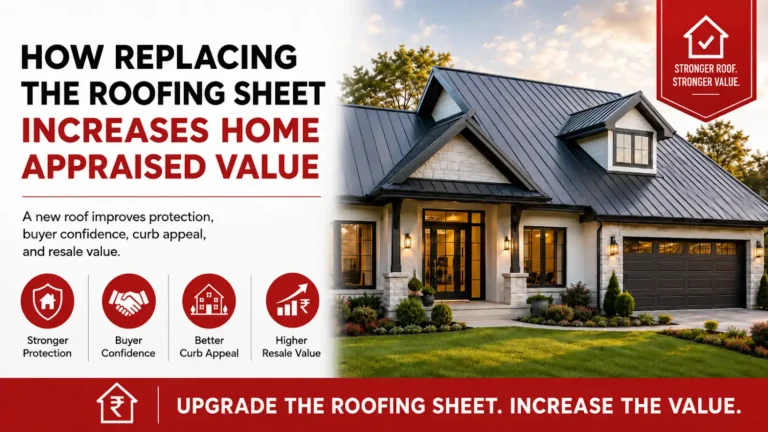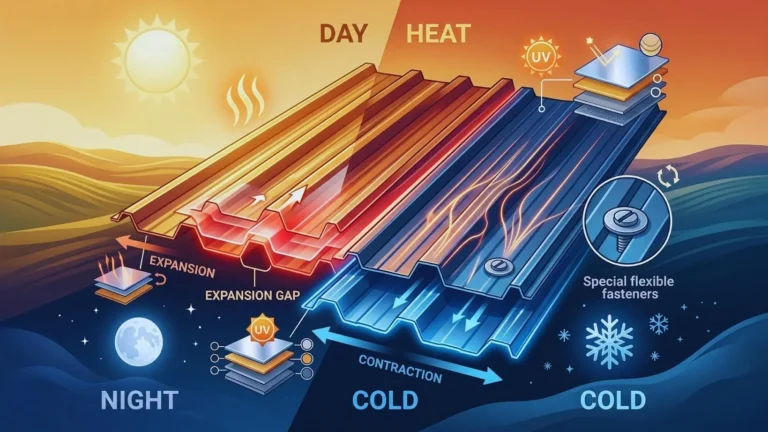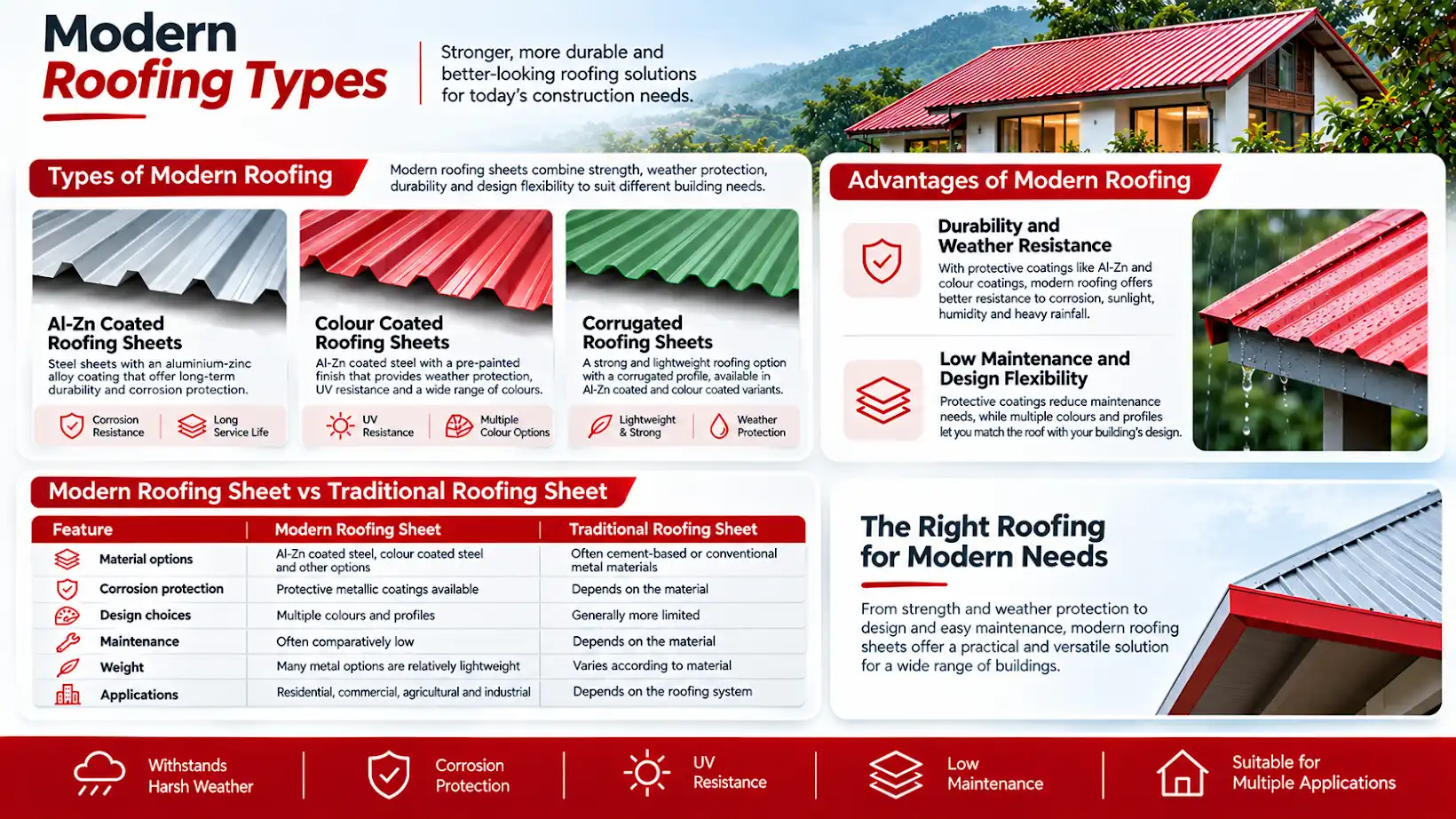
A roof is no longer treated as just a covering that keeps a building dry. With changing construction needs, today’s roofing systems are expected to offer strength, weather protection, durability, easy maintenance and a finish that complements the building. This is especially important in India, where roofs may have to deal with strong sunlight, humidity, heavy rainfall and changing temperatures.
Modern roofing sheets have developed to meet these demands. But with so many options available, understanding the types of modern roofing sheets can make the selection process much easier.
Let’s look at the key options, their benefits and the factors worth considering before making a decision.
Different Types of Modern Roofing Sheets
Modern roofing sheets are available in different materials and designs to suit residential, commercial, agricultural and industrial buildings. Some focus on strength and corrosion protection, while others offer insulation, natural lighting or improved weather resistance.
Understanding these options can help you select a roofing sheet that matches your building’s requirements, local climate and budget.
-
Metal Roofing Sheets
Metal roofing sheets are widely used because they offer a combination of strength, relatively low weight and design flexibility. They are available in different coatings, finishes and profiles.
-
PPGL / Colour Coated Galvalume Sheets

PPGL (Pre-Painted Galvalume) sheets use a galvalume coated steel base with an additional paint finish. The metallic coating helps protect the steel against corrosion, while the paint layer provides colour and additional surface protection. These sheets are suitable for homes, warehouses, factories and commercial buildings.
-
Bare Galvalume
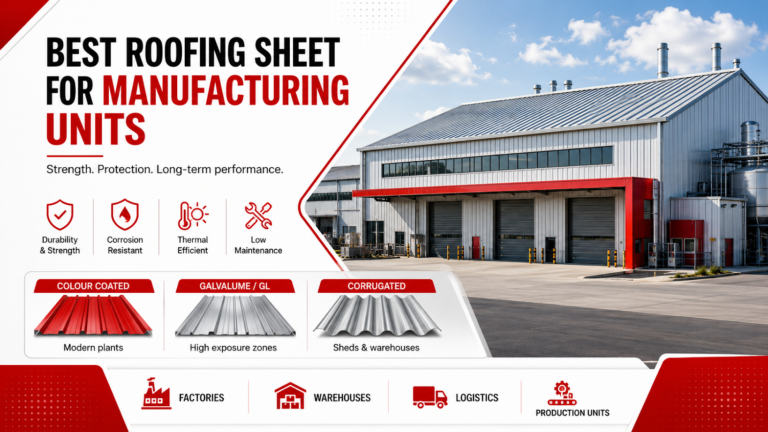
Bare Galvalume sheets have an aluminium-zinc alloy coating without an additional colour-painted finish. The coating provides corrosion protection and helps extend the service life of the steel. They are commonly used in industrial buildings, warehouses and agricultural structures.
-
Al-Zn Sheets
Al-Zn sheets are steel sheets coated with an aluminium-zinc alloy. This protective layer helps reduce corrosion caused by moisture and environmental exposure. They are a practical option for buildings that require durable metal roofing with dependable weather protection.
-
Standing Seam Metal Roofs
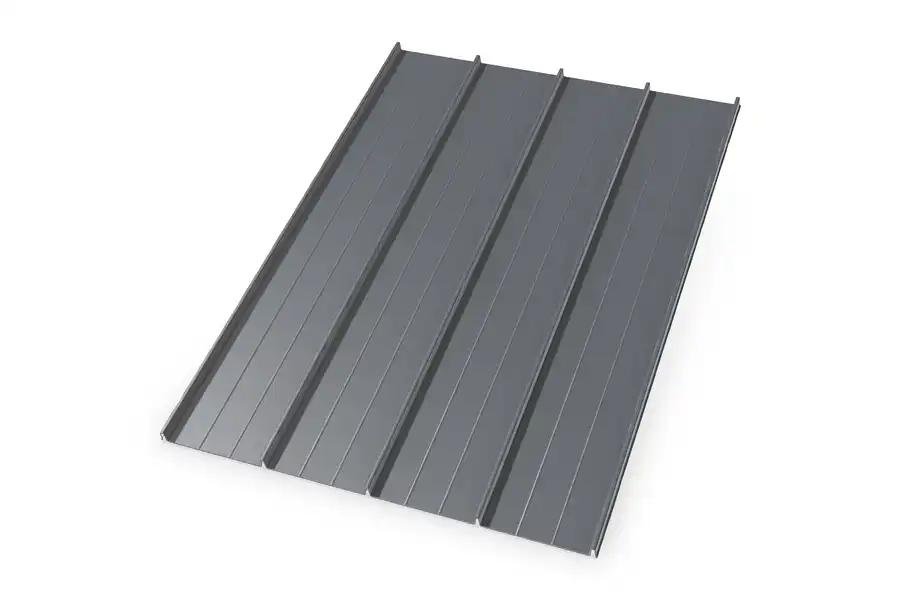
Standing seam metal roofs use panels connected through raised vertical joints. Many systems have concealed fasteners, creating a neat finish with fewer exposed fixing points. They are commonly used in modern residential, commercial and architectural projects.
-
Tile Profile Metal Sheets
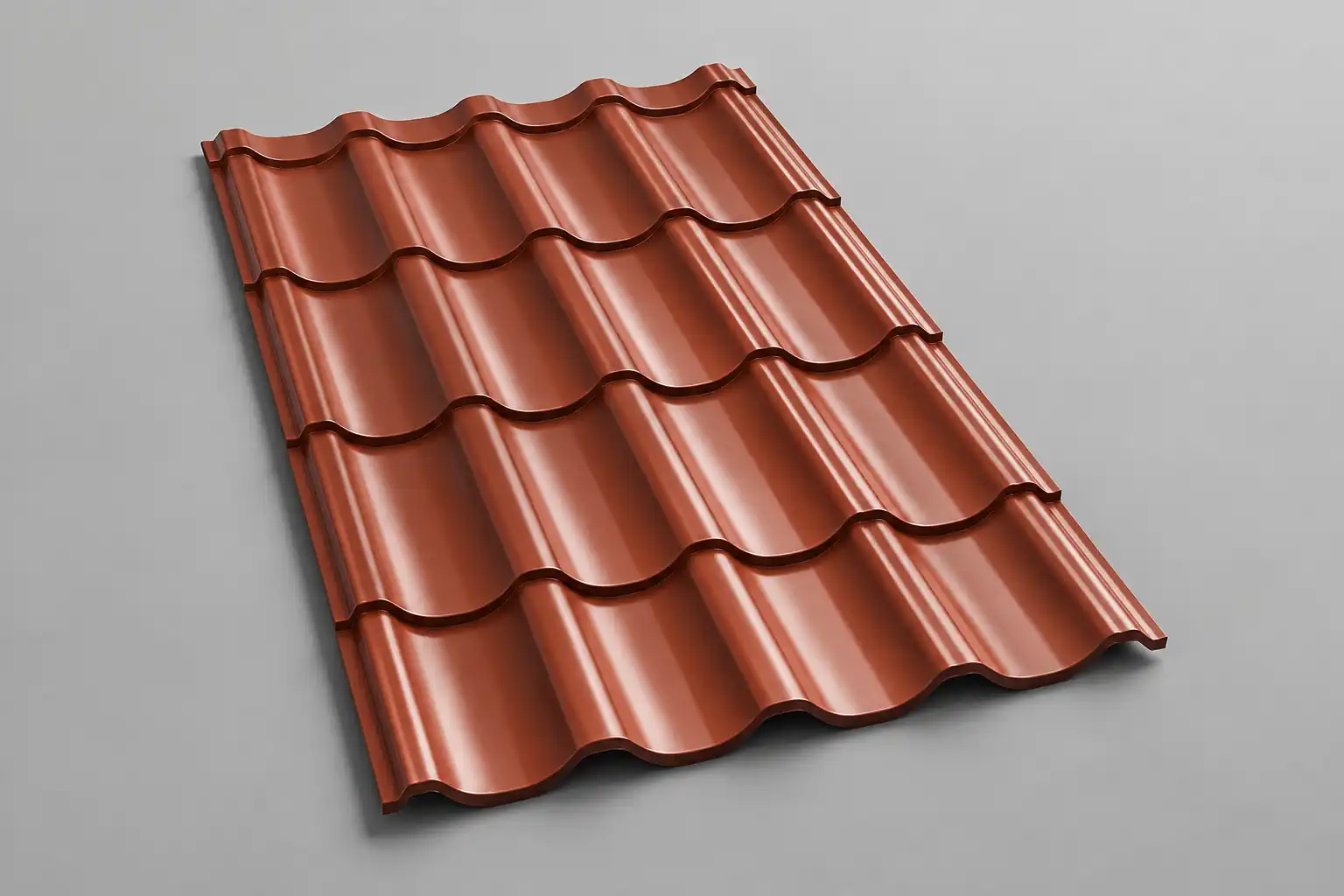
Tile profile metal sheets are designed to resemble traditional roof tiles while retaining the relatively lightweight nature of metal roofing. They offer a familiar appearance and are suitable for homes, villas and buildings where a tiled finish is preferred.
-
-
Insulated and Sandwich Sheets
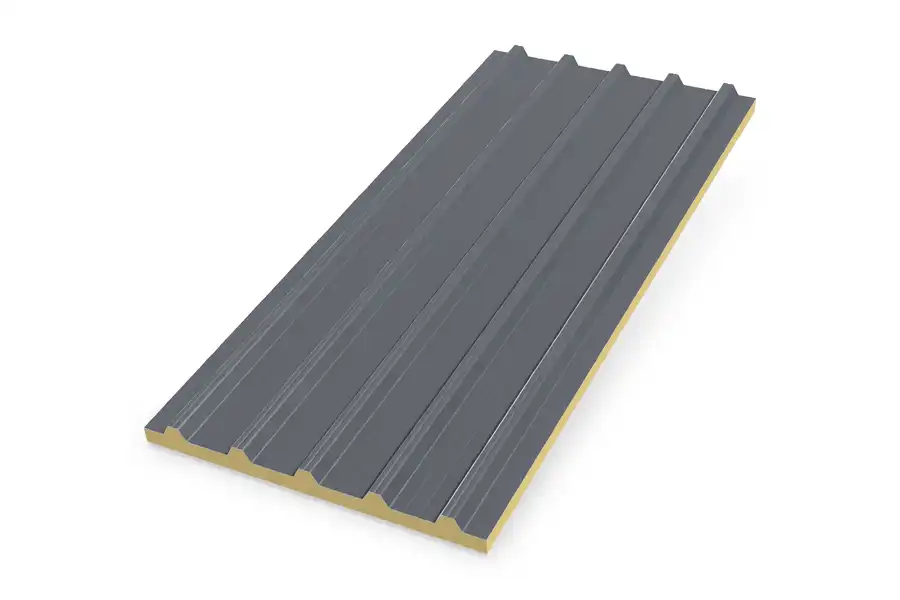
PUF (Polyurethane Foam) panel roofing sheets consist of an insulating foam core placed between two metal sheets. The foam layer helps reduce heat transfer, making these panels useful for buildings where indoor temperature control is important.
They are commonly used in factories, warehouses, cold storage facilities and industrial buildings. Their insulation performance depends on the foam thickness, panel density, joint design and quality of installation.
-
Translucent and Daylighting Sheets
These roofing sheets are designed to allow natural light into a building. They are often installed alongside metal roofing sheets to reduce the need for artificial lighting during daylight hours.
-
Polycarbonate Sheets
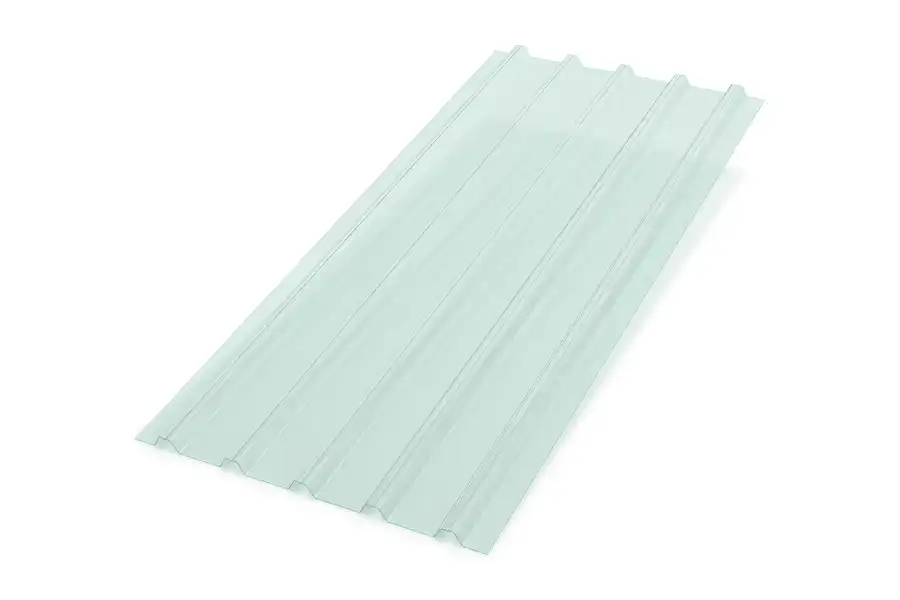
Polycarbonate sheets are lightweight, impact-resistant and available in different colours and transparency levels. Multiwall versions contain internal air spaces that provide additional insulation. They are commonly used for skylights, covered walkways, patios, courtyards and industrial daylighting applications.
-
FRP (Fibre Reinforced Plastic) Sheets
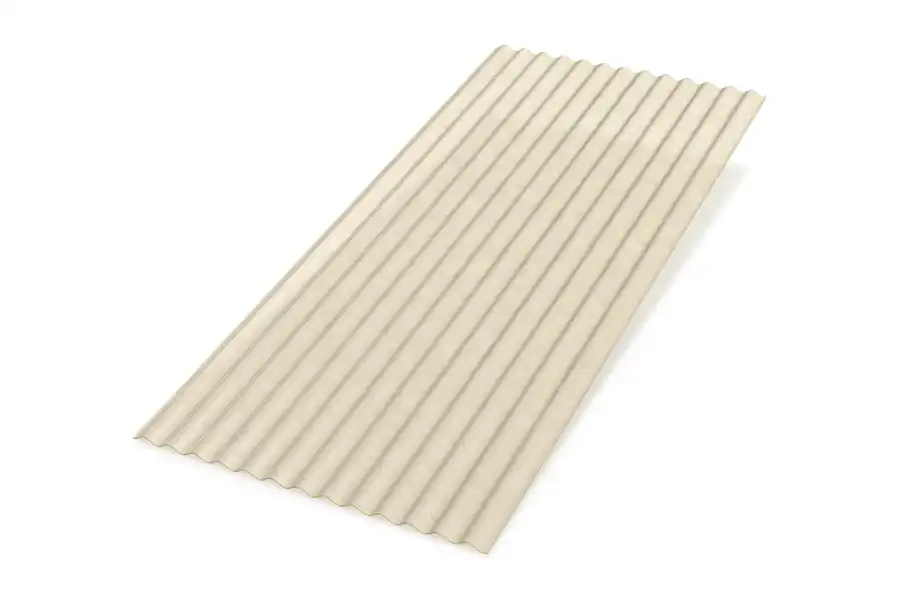
FRP sheets are made by combining plastic resin with reinforcing fibres. They are lightweight, allow natural light to pass through and are available in different profiles. They are often used in industrial sheds, warehouses and covered outdoor areas.
-
-
Sustainable and Synthetic Variants
Modern roofing also includes synthetic materials that offer alternatives to conventional metal and tile roofing. Their suitability depends on the product’s quality, structural requirements and environmental conditions.
-
UPVC Roofing Sheets
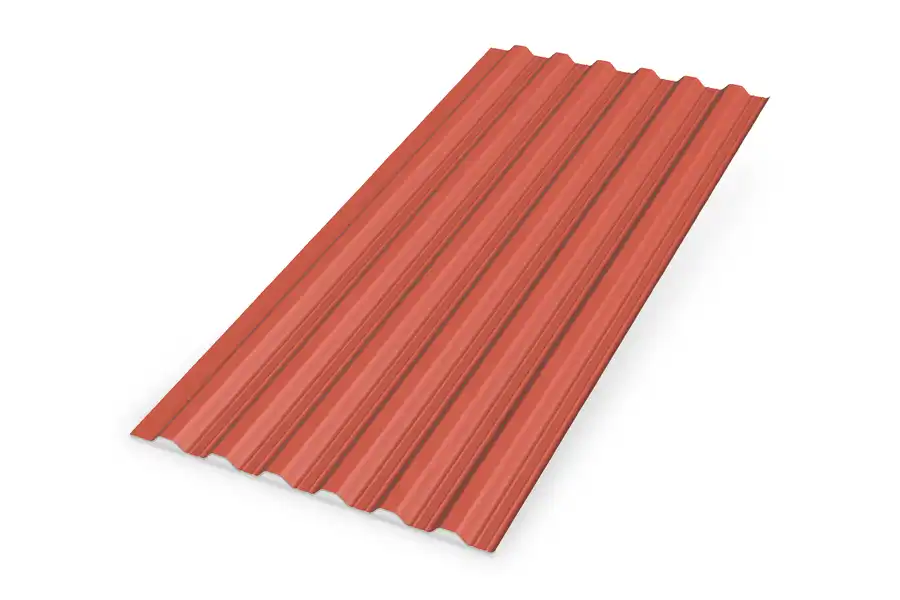
UPVC (Unplasticised Polyvinyl Chloride) roofing sheets are made from a rigid plastic material. They are lightweight, resistant to corrosion and do not rust like conventional steel sheets. They are commonly used in industrial sheds, agricultural buildings and certain commercial structures.
-
Bituminous Sheets
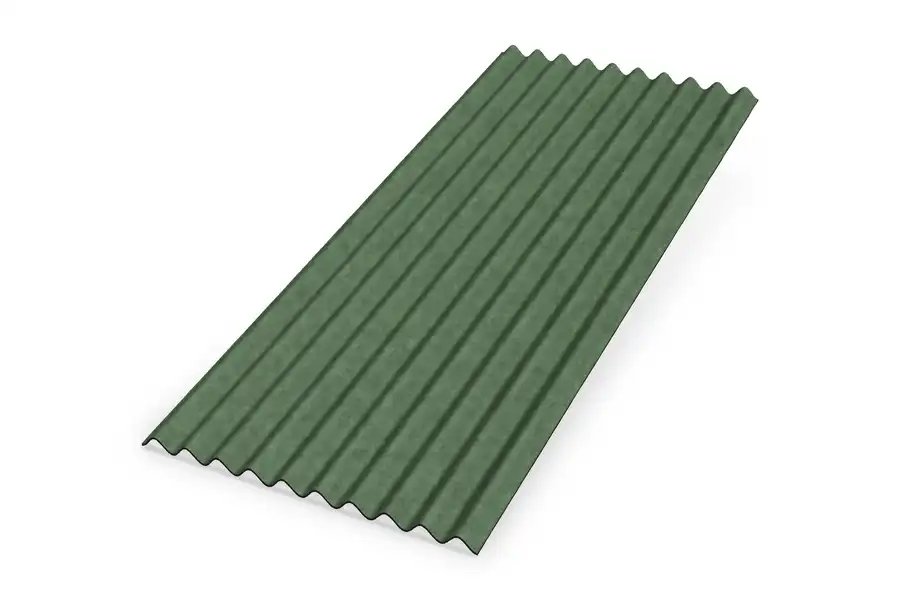
Bituminous roofing sheets are made using bitumen-based materials, often reinforced with fibres. They are relatively lightweight and can provide protection against rain when installed correctly. They are commonly used for sheds, garages, agricultural structures and other utility buildings.
The right roofing sheet depends on the building’s purpose, local weather, required insulation, structural support and budget. Comparing these factors before selecting a material can help ensure that the roofing system meets both immediate and long-term requirements.
-
What are the Different Types of Modern Roofing Based on Material?
Modern roofing refers to roofing materials and systems designed to meet current requirements for strength, weather resistance, durability and appearance. Metal roofing has become particularly versatile because different coatings, profiles, thicknesses and finishes can be selected according to the application.
-
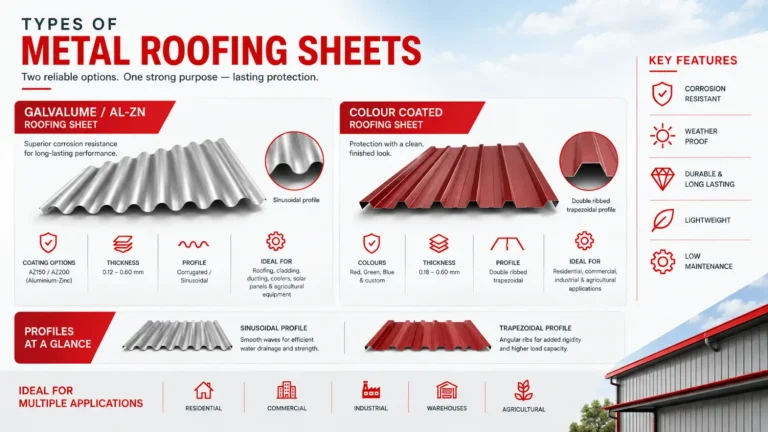
Al-Zn Coated Roofing Sheets
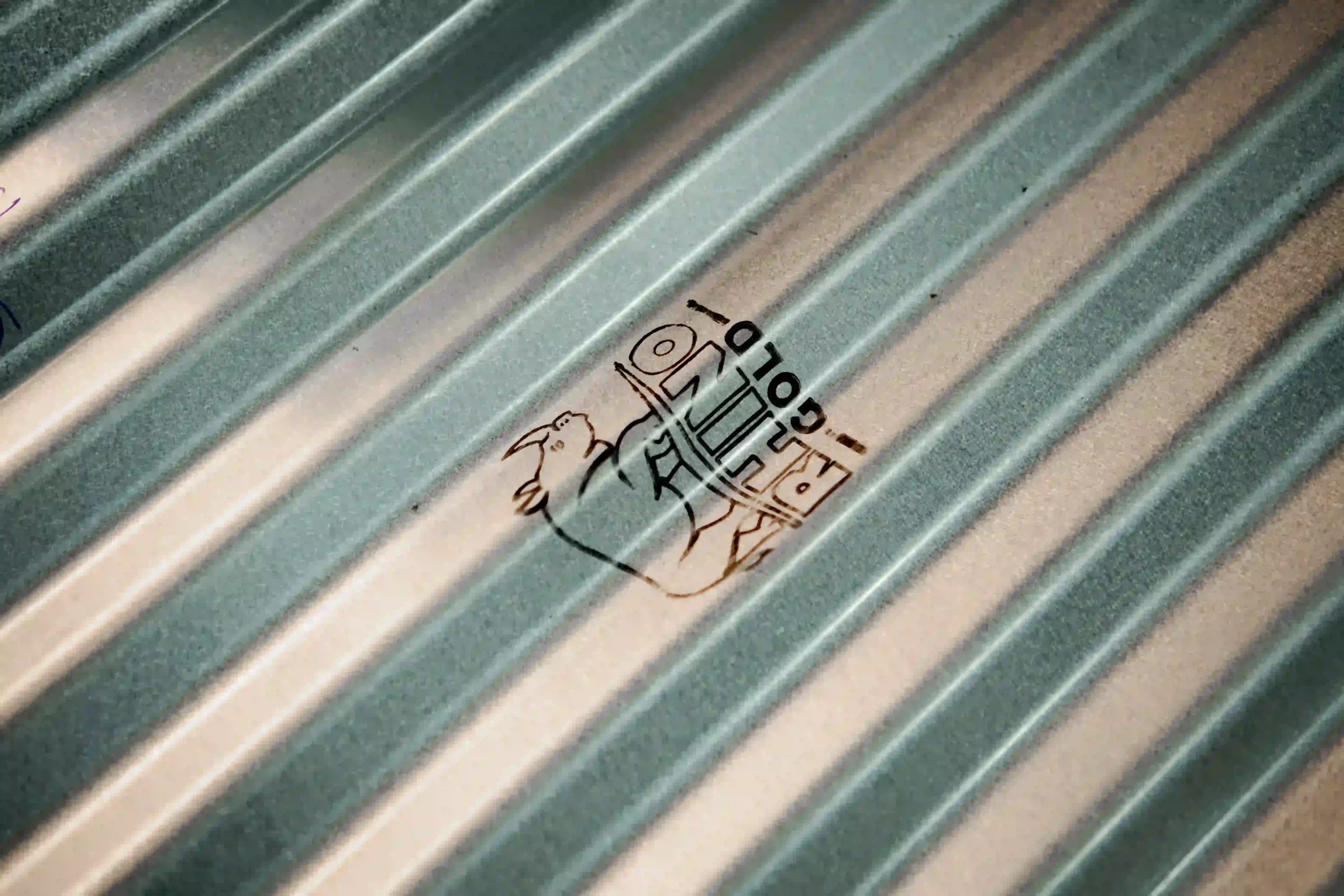
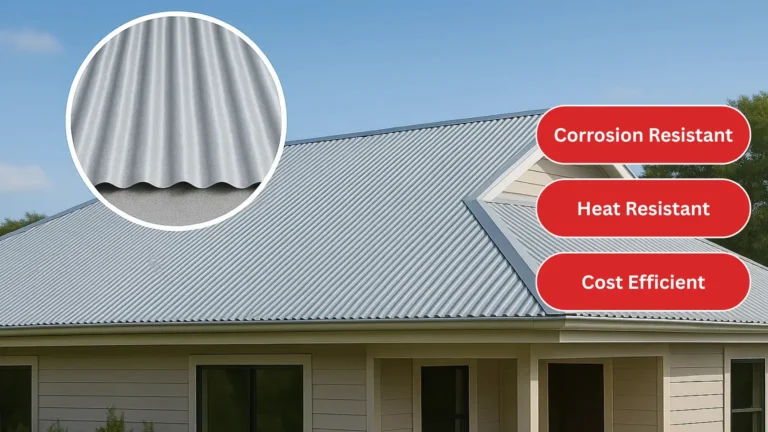
Al-Zn coated steel is a practical option when long-term durability and corrosion protection are important. It consists of a steel substrate protected by an aluminium-zinc alloy coating. This coating helps protect the underlying steel from exposure to moisture and other environmental factors.
Their combination of steel strength, corrosion resistance, temperature resistance and formability makes them suitable for buildings that require dependable performance without excessive maintenance.
-
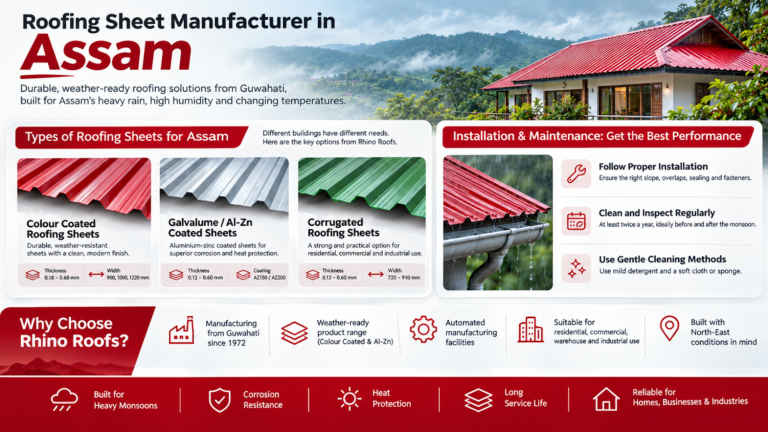
Colour Coated Roofing Sheets

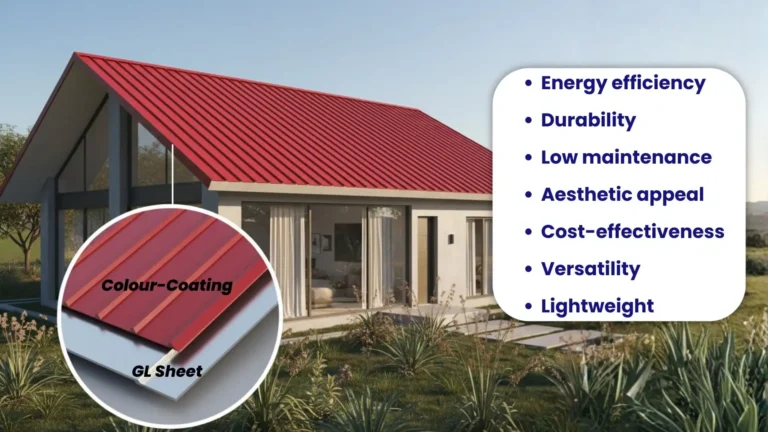
Colour coated sheets are a good choice when a roof needs to provide both protection and visual appeal. These sheets use Al-Zn alloy coated steel as the base and have a pre-painted surface that provides additional protection against UV exposure and weathering.
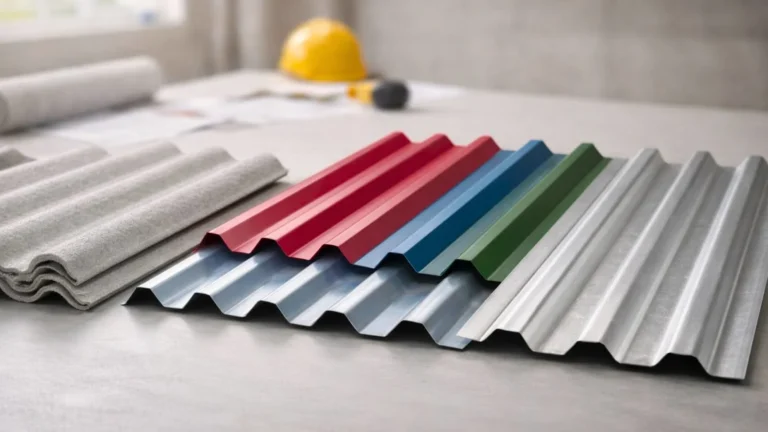
Among the available modern roof sheets, colour coated products offer considerable design flexibility. They can be supplied in colours such as blue, red and green, while customised shades can also be considered.
This makes colour coated roofing suitable for homes, commercial buildings, warehouses and industrial structures where the appearance of the roof matters alongside its performance.
-
Asphalt Shingles
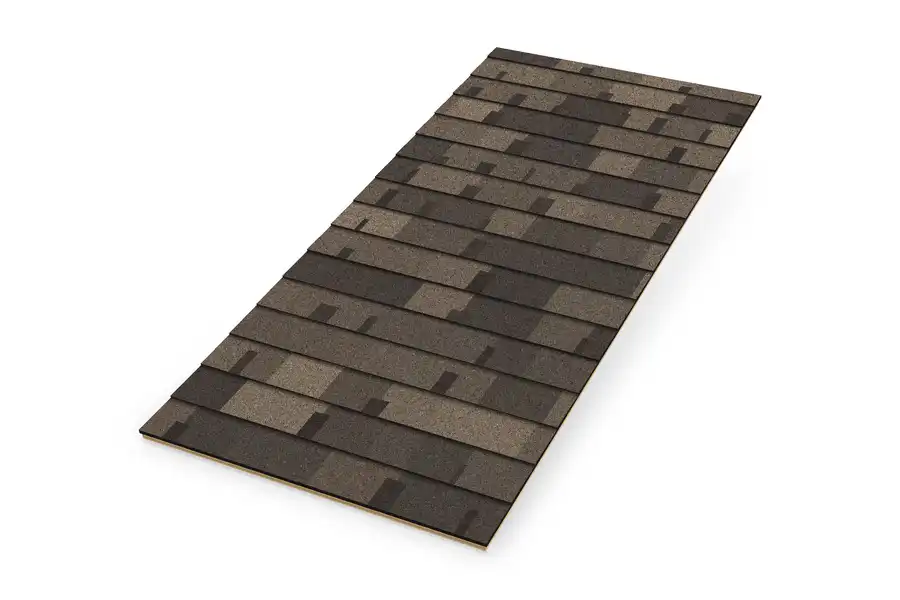
Asphalt shingles are made using a base material coated with asphalt and finished with protective mineral granules. They are commonly used in residential buildings because of their textured appearance and availability in different colours and styles.
They are installed in overlapping layers, which help direct rainwater away from the roof surface. However, proper underlay and installation are important for preventing moisture-related problems.
Asphalt shingles are generally suitable for sloping roofs and homes where appearance is an important consideration.
-
Clay and Concrete Tiles
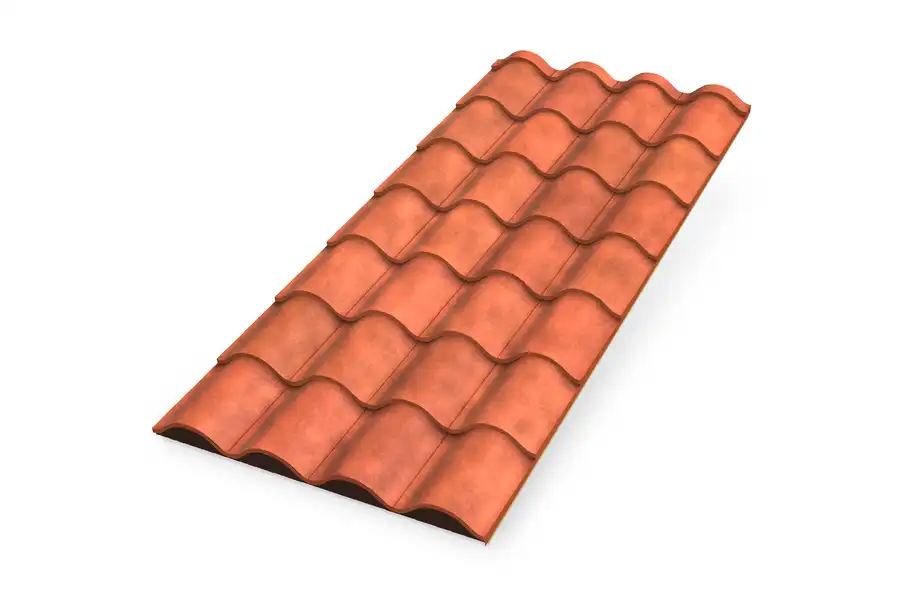
Clay and concrete tiles are traditional roofing materials that continue to be used in modern construction. Clay tiles are known for their natural appearance and ability to handle warm conditions, while concrete tiles offer strength and a variety of colours and designs.
Both materials are relatively heavy, so the supporting roof structure must be designed to carry their weight. They are commonly used in independent houses, villas and buildings that require a traditional or distinctive roof finish.
-
Slate and Stone
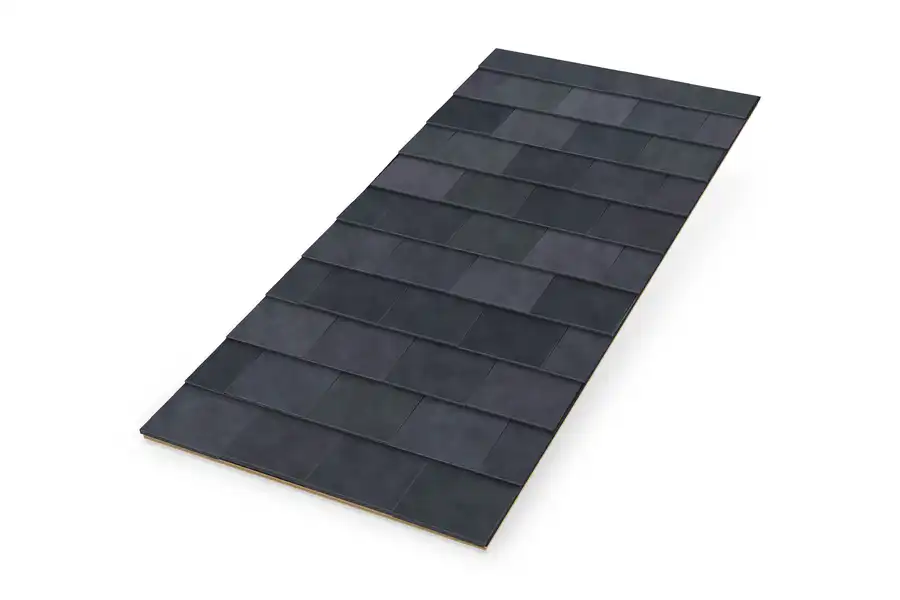
Slate and stone roofing are valued for their natural appearance and durability. Slate is available in thin, flat pieces that can be arranged in overlapping layers to create a distinctive roof surface.
These materials can last for a long time when properly selected and installed. However, they are generally heavier and may involve higher material and installation costs. The supporting structure must be suitable for the additional weight.
-
Synthetic and Composite Materials
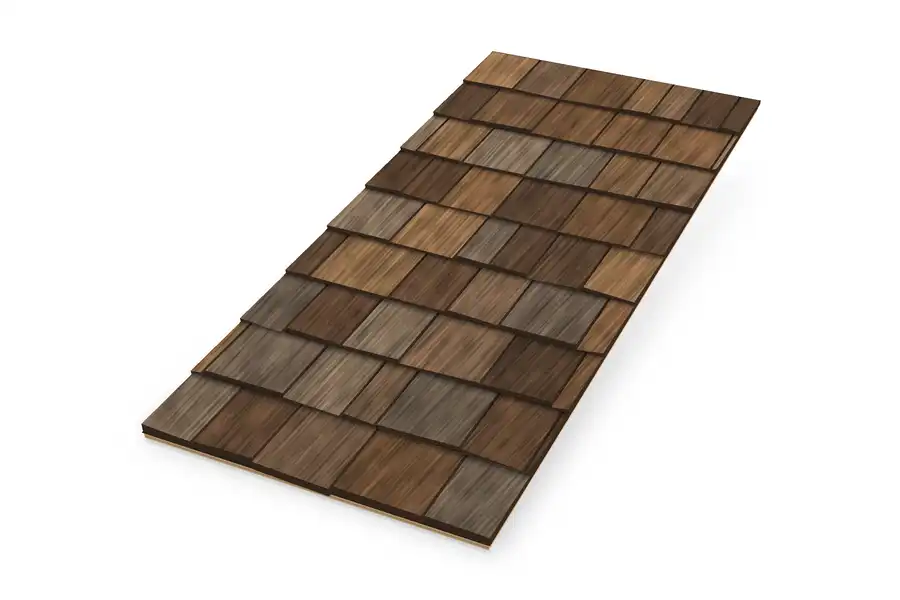
Synthetic and composite roofing materials are manufactured using a combination of materials such as polymers, recycled plastics, rubber and other components. Some products are designed to recreate the appearance of natural slate, wood or traditional tiles.
Their weight, durability and maintenance requirements vary depending on the product. Certain options are lightweight and easier to handle, making them suitable for buildings where natural materials may be difficult to install.
-
Single-Ply Membrane and Flat Roof Systems
Single-ply membranes are flexible waterproofing sheets used mainly on flat and low-slope roofs. Common options include PVC, TPO and EPDM membranes. They form a protective layer over the roof surface and help prevent water from entering the building. These systems are commonly used in commercial buildings, factories and large structures with flat or low-slope roofs.
Correct installation, sealed joints and planned drainage are essential for their long-term performance.
-
Green (Living) Roofs
A green roof is a roofing system that supports vegetation over a specially designed waterproofing and drainage layer. Depending on the design, it may include grass, small plants or deeper planting arrangements.
Green roofs can help reduce heat absorption, improve insulation and make better use of otherwise unused roof space. They can also contribute to better stormwater management in urban areas. But they require careful planning because the roof must support the additional weight of soil, plants, retained water and other layers.
-
Solar Roof Tiles (BIPV)
Solar roof tiles, also known as Building-Integrated Photovoltaics (BIPV), combine roofing and solar power generation. Instead of placing conventional solar panels above the roof, these systems integrate solar technology into the roofing surface itself.
Solar roof tiles are an option for buildings where renewable energy generation and architectural appearance are both important.
Modern Roofing Materials Comparison Table
| Roofing material | Key characteristics | Common applications |
|---|---|---|
| Metal roofing | Strong, lightweight options with different protective coatings | Homes, warehouses and industrial buildings |
| Asphalt shingles | Textured finish, available in different colours and designs | Residential buildings and villas |
| Clay and concrete tiles | Traditional appearance, durable but relatively heavy | Independent houses and villas |
| Slate and stone | Natural appearance, long-lasting and heavy | Premium homes and architectural buildings |
| Synthetic and composite materials | Available in different finishes and material combinations | Modern homes and renovation projects |
| Single-ply membrane | Flexible waterproofing material for low-slope roofs | Commercial buildings and industrial structures |
| Green (living) roofs | Supports vegetation and requires additional drainage layers | Sustainable buildings and urban projects |
| Solar roof tiles (BIPV) | Integrates solar electricity generation into the roof covering | Modern homes and energy-efficient buildings |
What are the Different Types of Modern Roof Designs and Shapes?
Modern roof designs are not limited to traditional sloping structures. Architectural styles now include different shapes that influence a building’s appearance, drainage, ventilation and usable space. The right design depends on the building layout, local climate and structural requirements.
-
Flat / Low-Slope Roof
Flat and low-slope roofs have a nearly level surface with a slight gradient to direct rainwater towards drainage outlets. They are commonly used in modern residential and commercial buildings. One of their main advantages is the additional usable space they provide. Depending on the structural design, the roof may accommodate terraces, outdoor seating or solar panels. Proper waterproofing and drainage are essential to prevent water accumulation.
-
Shed / Skillion Roof
A shed or skillion roof has a single sloping surface, making it a simple and practical architectural choice. Its clean lines work well with contemporary building designs. The slope allows rainwater to drain towards one side, while the design can also support high windows or clerestory openings for natural light. It is commonly used for modern homes, extensions and smaller commercial structures.
-
Gable Roof (Open / Box / Front)
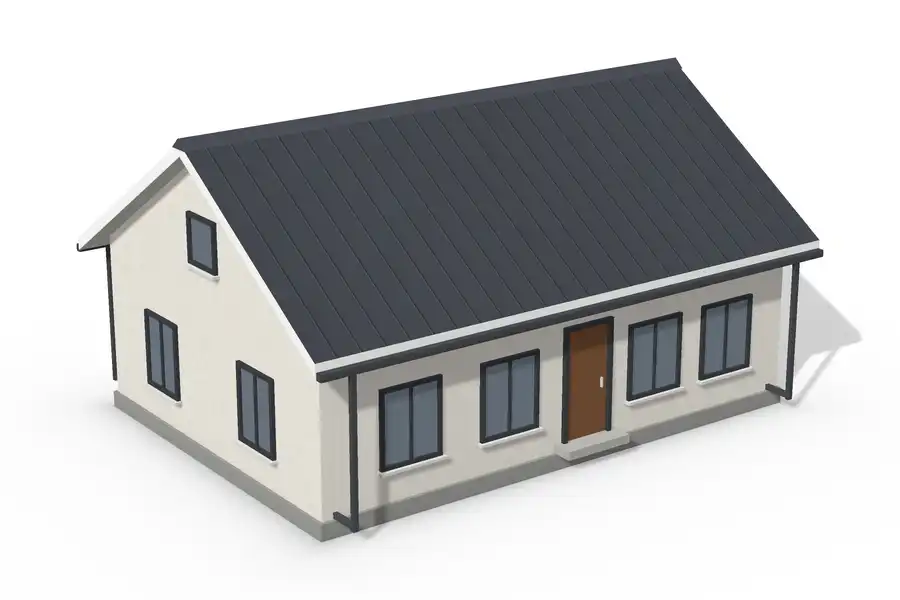
A gable roof has two sloping surfaces that meet at a central ridge, forming a triangular shape at either end of the building. It is a familiar design that works well with both traditional and contemporary architecture.
Open gable roofs leave the triangular end exposed, while boxed gable roofs include an enclosed edge finish. Front gable designs place the triangular end towards the front of the building, creating a distinct architectural feature.
-
Hip Roof
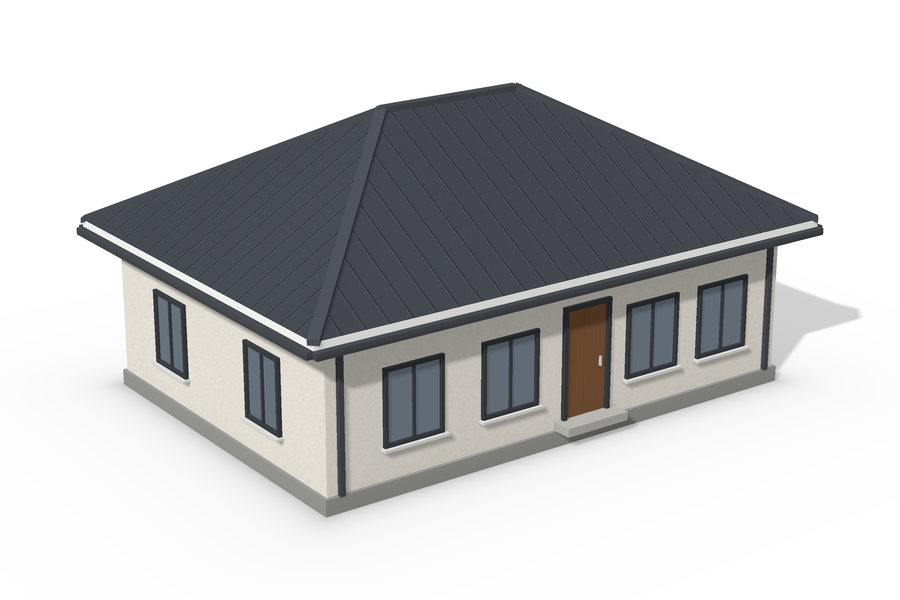
A hip roof has slopes on all four sides that meet at a ridge or a central point. Unlike a gable roof, it does not have vertical triangular ends. Its balanced shape can offer good resistance to wind when properly designed and secured. Hip roofs are commonly used in independent houses and buildings in areas exposed to changing weather conditions.
-
Butterfly Roof
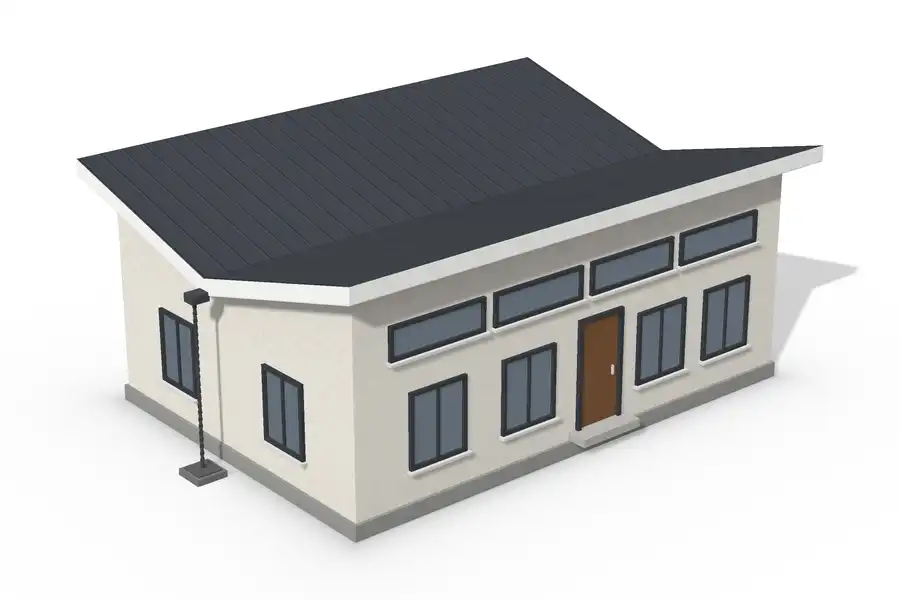
A butterfly roof features two sloping surfaces that angle downwards towards the centre, creating a shape similar to a butterfly’s wings. The central valley can collect rainwater for storage or reuse when a suitable drainage system is installed. Its distinctive appearance also makes it popular in contemporary architecture. However, the central drainage area needs careful waterproofing and regular inspection.
-
Saw-Tooth Roof
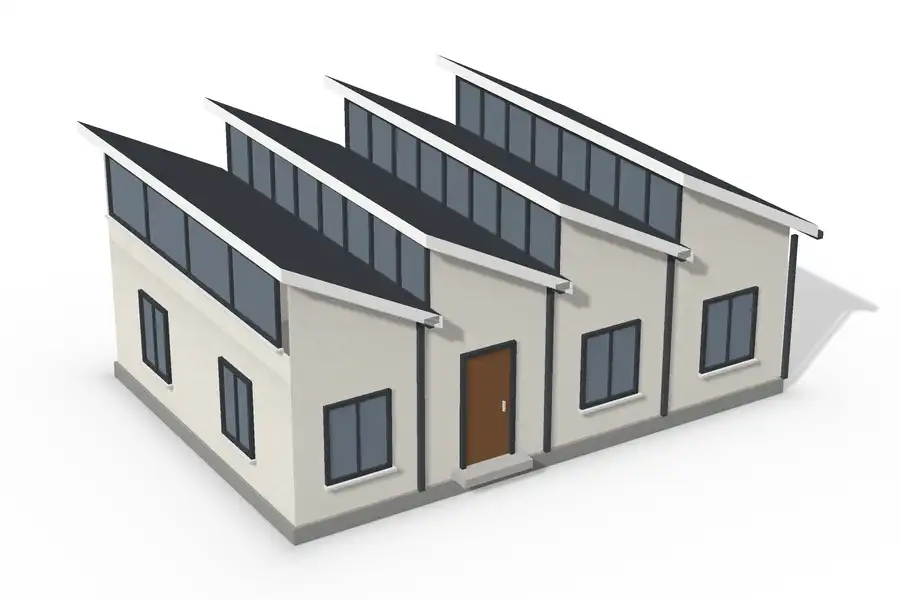
A saw-tooth roof consists of a series of sloping sections with a repeated pattern. The steeper sections can include windows or glazed panels that allow natural light into the building. This design is particularly useful in factories, workshops and large industrial spaces where daylight can reduce the need for artificial lighting during working hours.
-
Mansard / Neo-Mansard Roof
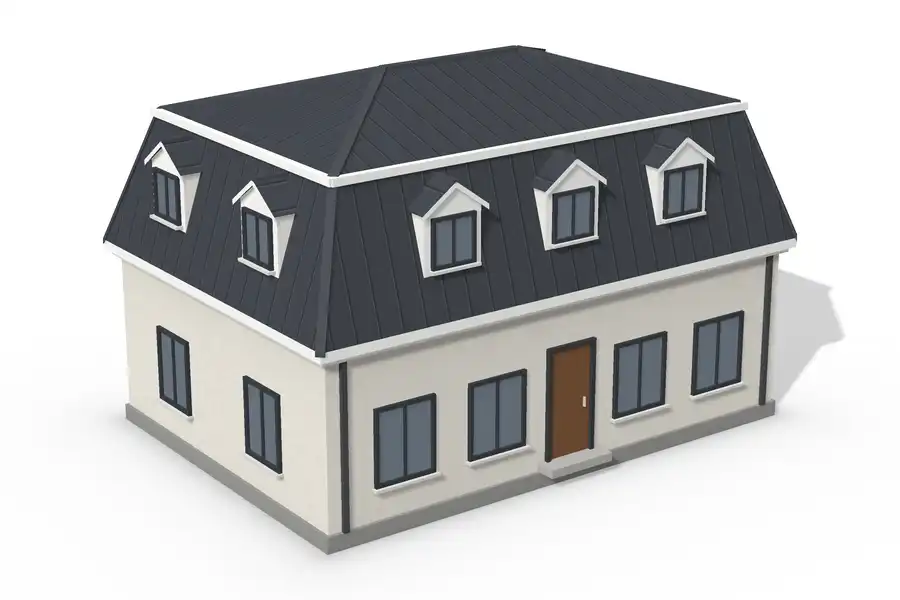
A Mansard roof has four sides, with each side featuring two slopes. The lower slope is steeper than the upper one, creating additional usable space beneath the roof. Neo-Mansard designs take inspiration from this traditional shape while using cleaner lines and contemporary materials. These roofs are often selected for residential buildings where additional upper-level space and architectural character are important.
-
Curved and Dome Roofs
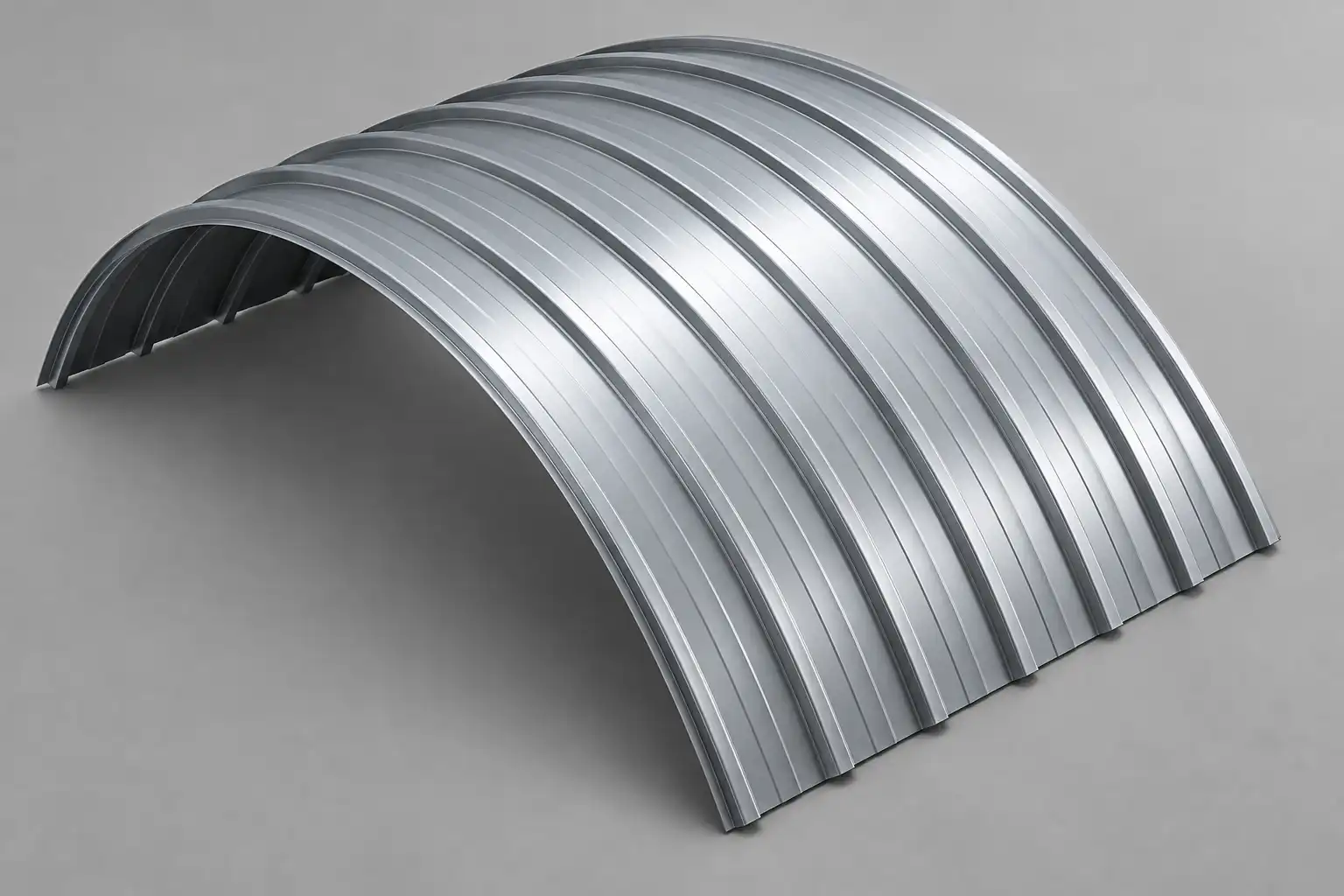
Curved roofs have smooth, rounded surfaces instead of straight slopes. Dome roofs take this design further by forming a rounded or semi-spherical structure.
Both styles can create a distinctive appearance and are used in modern public buildings, halls, religious structures and selected residential projects. Their construction requires careful structural planning and suitable roofing materials.
Modern Roof Designs and Shapes Comparison Table
| Roof shape | Main design feature | Common applications |
|---|---|---|
| Flat / Low-Slope Roof | Nearly level surface with a slight drainage gradient | Modern homes and commercial buildings |
| Shed / Skillion Roof | Single sloping surface | Extensions and contemporary homes |
| Gable Roof | Two slopes meeting at a central ridge | Residential and traditional buildings |
| Hip Roof | Slopes on all four sides | Independent houses and buildings exposed to wind |
| Butterfly Roof | Two inward-facing slopes meeting at a central valley | Contemporary homes and architectural projects |
| Saw-Tooth Roof | Repeated sloping sections with raised glazed sections | Factories and industrial buildings |
| Mansard / Neo-Mansard Roof | Four sides with two slopes on each side | Residential and multi-storey buildings |
| Curved and Dome Roofs | Rounded or curved roof surfaces | Public buildings, halls and distinctive architectural structures |
Different Types of Modern Roofing Sheets Based on Profile
While roof shapes determine the overall structure and appearance of a roof, roofing profiles describe the pattern or shape of the material used to cover it. These profiles can influence the sheet’s rigidity, water drainage, appearance and installation method.
-
Trapezoidal Profile Sheets
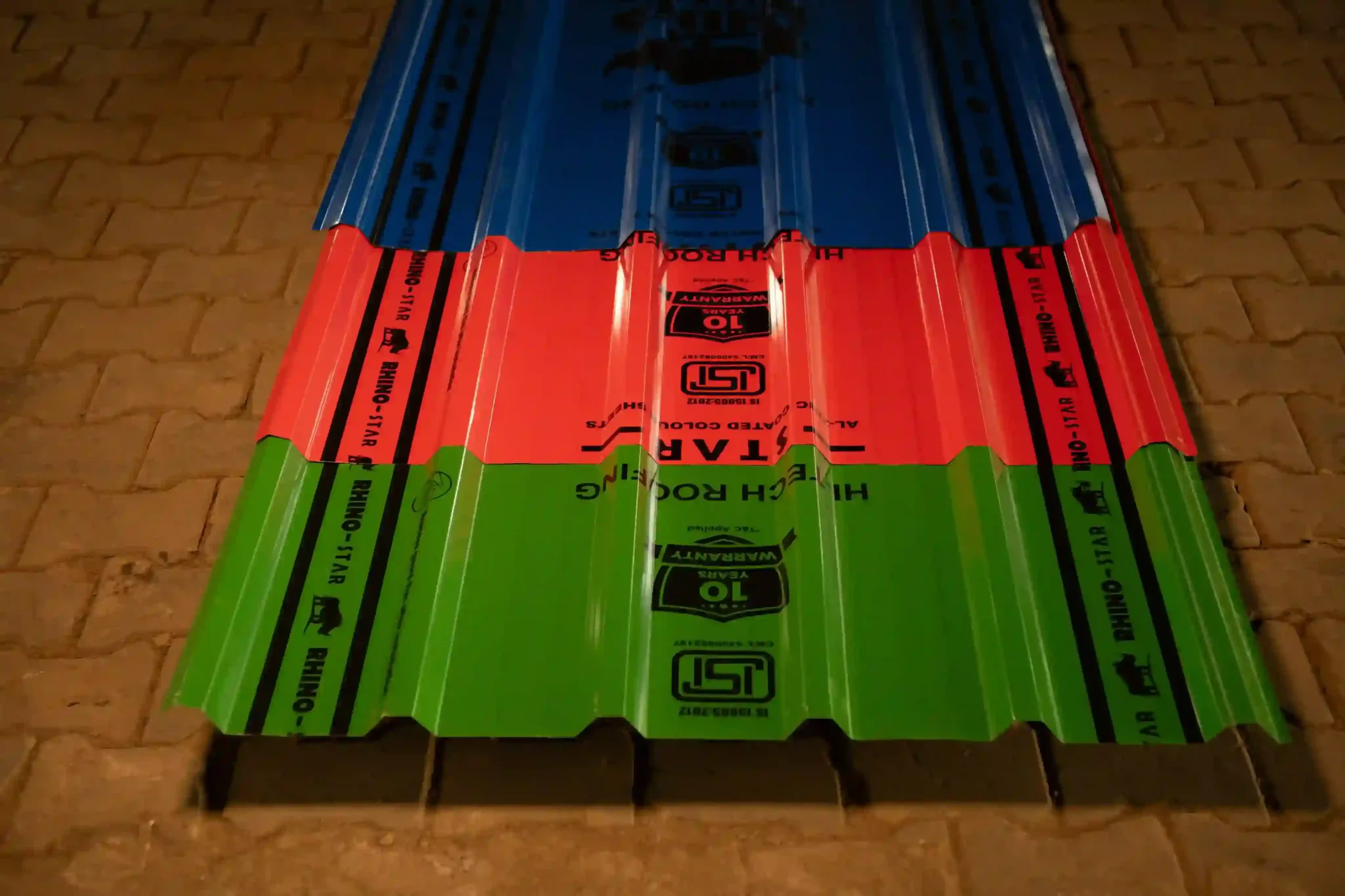
Trapezoidal profile sheets have raised, angular ribs that create a repeating pattern across the sheet. These raised sections provide added rigidity and help direct rainwater towards the roof edges. They are commonly used in warehouses, factories, commercial buildings and large sloping roofs. Their profile also makes them suitable for projects where strength and practical installation are important.
-
Corrugated Roofing Sheets
Corrugated roofing sheets feature repeated curved ridges and valleys across their surface. This familiar design helps provide rigidity while keeping the roofing material relatively lightweight.
They are available in different materials and finishes, including Al-Zn coated and colour coated steel. Corrugated sheets are used for residential buildings, sheds, agricultural structures and industrial applications.
-
Standing Seam Metal Profiles
Standing seam roofing features raised joints that connect adjacent metal panels. Unlike conventional roofing sheets with exposed fasteners, many standing seam systems use concealed fixing arrangements. This creates a clean, continuous appearance and reduces the number of exposed fastening points. These profiles are often used in modern homes, commercial buildings and architectural projects.
-
Tile Profile Roofing Sheets
Tile profile roofing sheets are designed to resemble the appearance of traditional roof tiles while using materials such as coated steel. They combine a familiar tiled appearance with the relatively lightweight nature of metal roofing.
They are suitable for homes, villas and buildings where a traditional roof finish is preferred without using individual heavy tiles.
-
Architectural and Dimensional Asphalt Shingles
Architectural asphalt shingles have a layered appearance that creates greater visual depth than basic flat shingles. Their varied shapes, textures and colours can give a roof a more detailed finish.
They are commonly used in residential construction, particularly where the roof is an important part of the building’s overall appearance. Proper underlay, installation and ventilation are important for their performance.
Roofing Profile Comparison Table
| Roofing profile | Main design feature | Common applications |
|---|---|---|
| Trapezoidal Profile Sheets | Angular raised ribs that provide rigidity | Warehouses and industrial buildings |
| Corrugated Roofing Sheets | Repeated curved ridges and valleys | Sheds, homes and agricultural buildings |
| Standing Seam Metal Profiles | Raised joints with concealed fixing options | Modern homes and commercial buildings |
| Tile Profile Roofing Sheets | Metal sheets shaped to resemble traditional tiles | Villas and residential buildings |
| Architectural and Dimensional Asphalt Shingles | Layered, textured appearance with varied shapes | Premium residential buildings |
What are the Advantages of Modern Roofing?
The appeal of modern roofing comes from the fact that it can address several requirements at once. Instead of focusing only on keeping rain out, today’s roofing systems can be selected for durability, corrosion protection, appearance and maintenance needs.
-
Durability and Weather Resistance
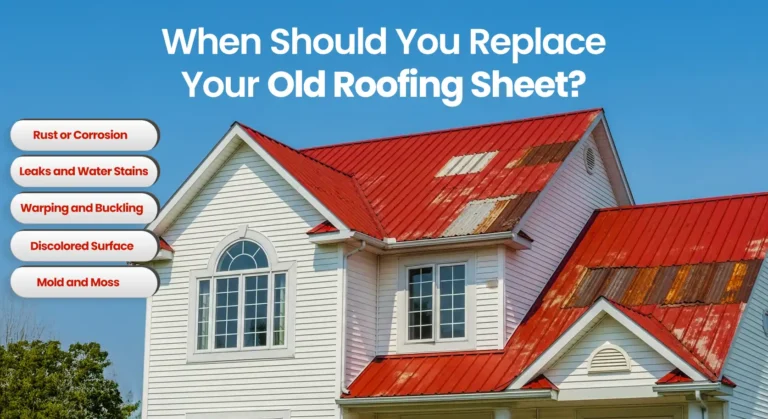
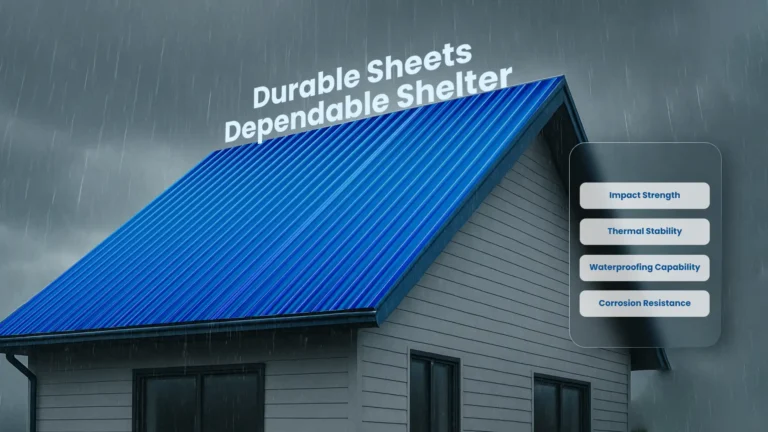
Weather conditions can have a significant effect on the life of a roof. Modern metal sheets with protective coatings are designed to provide better resistance against corrosion and environmental exposure.
Al-Zn coated sheets offer corrosion protection, while colour coated sheets provide an additional finished surface with UV resistance. These characteristics are useful in India’s varied climate, where a roof may be exposed to intense sunlight, humidity and heavy rainfall. The correct thickness, coating specification, profile and installation method should be selected according to the project’s conditions to achieve reliable long-term performance.
-
Low Maintenance and Design Flexibility
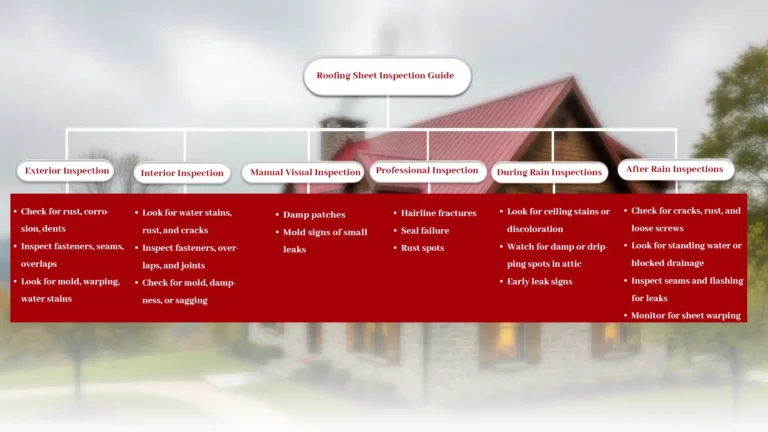
Maintenance is another area where modern roofing can offer practical benefits. Protective coatings help reduce exposure of the steel substrate to moisture and other environmental elements. With appropriate care, routine cleaning and inspection can help preserve the roof’s condition and appearance.
There is also greater freedom when it comes to design. Colour coated sheets are available in several shades and profiles, allowing the roof to complement the architecture of the building.
This combination of practical performance and design flexibility makes modern roofing suitable for projects where functionality and appearance need to work together.
Modern Roofing Sheet vs Traditional Roofing Sheet
The difference between modern and traditional roofing is not simply a question of which material is newer. It is more about the range of performance and design choices available.
| Feature | Modern Roofing Sheet | Traditional Roofing Sheet |
|---|---|---|
| Material options | Al-Zn coated steel, colour coated steel and other options | Often cement-based or conventional metal materials |
| Corrosion protection | Protective metallic coatings available | Depends on the material |
| Design choices | Multiple colours and profiles | Generally more limited |
| Maintenance | Often comparatively low | Depends on the material |
| Weight | Many metal options are relatively lightweight | Varies according to material |
| Applications | Residential, commercial, agricultural and industrial | Depends on the roofing system |
Traditional roofing materials still have their place in construction. However, modern roofing provides greater flexibility when a project requires a combination of durability, weather protection, appearance and manageable maintenance.
Conclusion
Modern roofing offers more choice than ever before. Al-Zn coated, Galvalume, colour coated and corrugated sheets can provide different combinations of strength, corrosion protection, weather resistance, appearance and maintenance requirements.
There is no single roofing sheet that can be called the best for every project. The right option depends on the building’s purpose, local climate, structural requirements, desired appearance and budget.
Taking time to evaluate these factors can help builders and property owners choose modern roofing solutions that provide dependable protection while also meeting the practical and aesthetic needs of the building.
Written and Verified by:
Rhino Roofs
Bio: Leading roofing sheet manufacturer with 50+ years of experience in the Northeast. Rhino Roofs provides colour coated, galvalume (Aluminium Zinc coated) and asbestos cement roofing sheets.