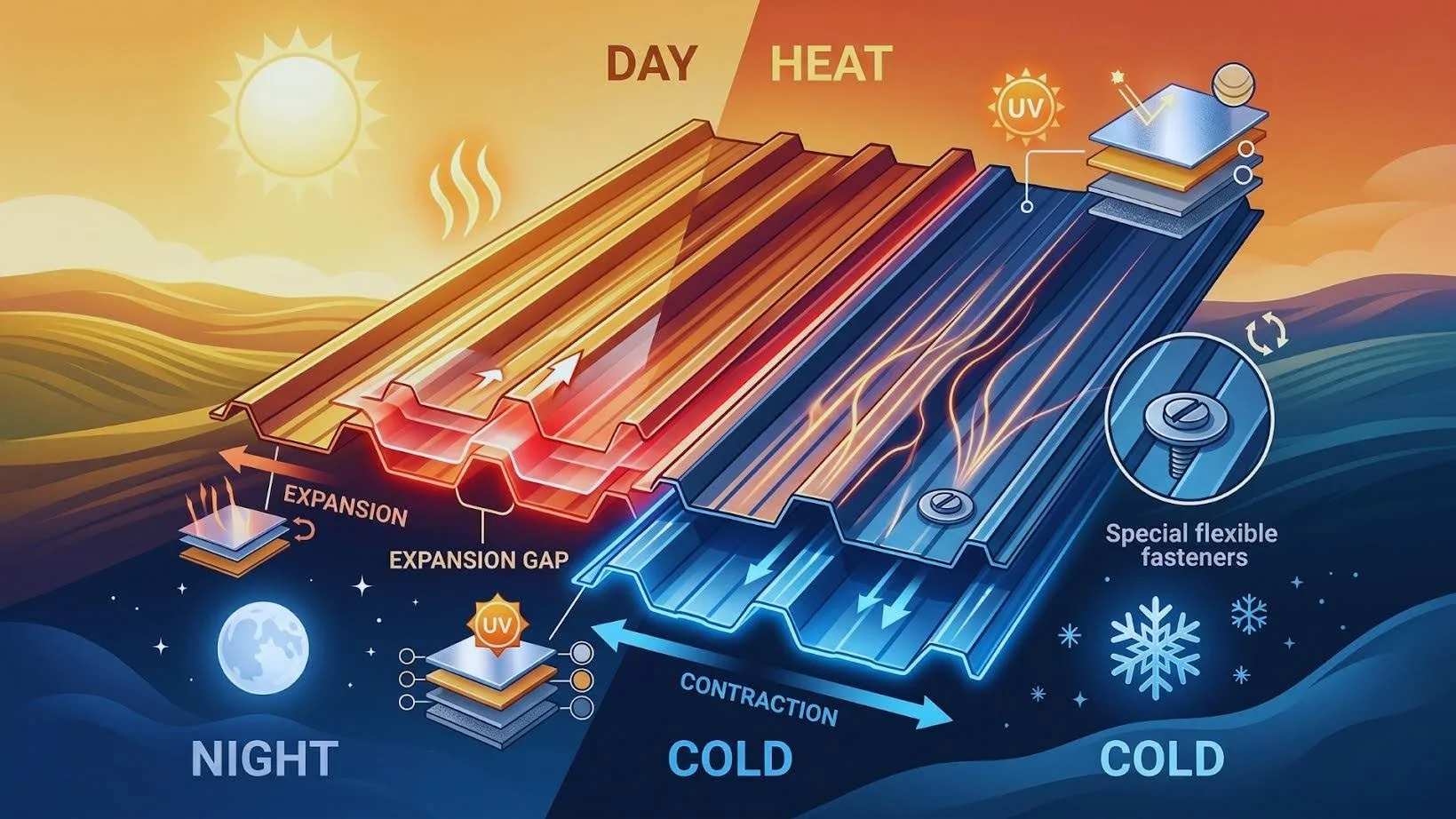
Roofing systems are continuously exposed to changing temperatures throughout the day and across seasons. Because of this, one of the most important yet often underestimated factors affecting roofing performance is thermal expansion in roofing sheets. Roofing sheets naturally expand when exposed to heat and as temperatures drop, they contract. This ongoing cycle of roofing sheet expansion and contraction influences not only durability but also alignment and long-term structural stability. With the right combination of material selection, design and installation practices, thermal expansion can be effectively managed. This article explains how roofing sheets accommodate expansion, the challenges it can create and practical ways to prevent related issues.
Why Thermal Expansion Important for Roofing
Thermal expansion directly impacts how roofing systems behave under environmental exposure and long-term usage. Thermal expansion in roofing sheets occurs as a result of temperature variations caused by sunlight and seasonal changes as well as weather conditions. Over time, this repeated movement introduces stress within the material.
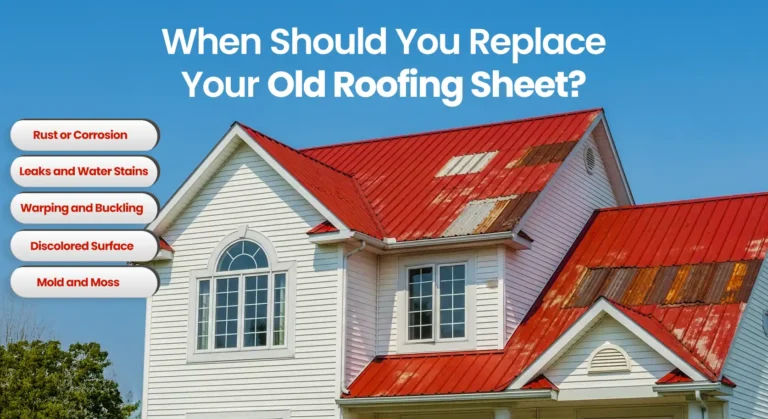
It can lead to alignment issues and loosening of fasteners and also gradual structural damage if this movement is not properly accounted for. The weather impact is especially noticeable in regions with high temperature fluctuations. Understanding this behavior helps in designing roofing systems that remain stable and durable as well as efficient over extended periods.
How Roofing Sheets Handle Thermal Expansion
Modern roofing sheets are designed to accommodate thermal movement without compromising performance or structural integrity.
-
Material Flexibility and Composition
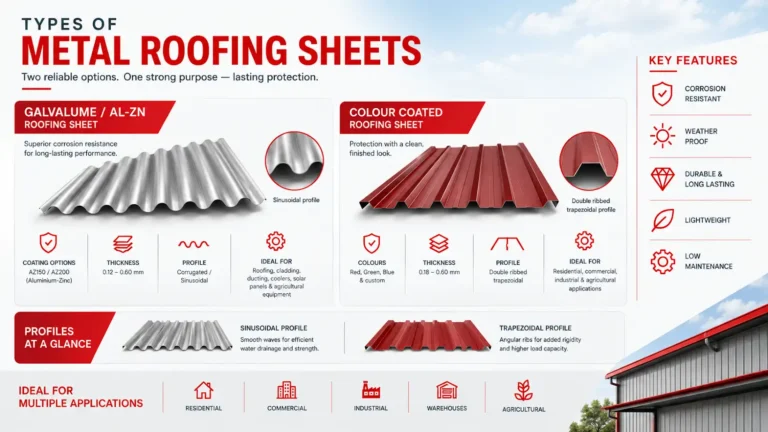
Different roofing materials respond to temperature changes in different ways. Metal sheets, especially those engineered for thermal performance, are designed to expand and contract without compromising structural integrity. For example, Al-Zn coated sheets are manufactured with flexibility in mind, allowing them to handle expansion without cracking or deformation. The quality and durability of these sheets also depend on factors like the gsm coating in Al-Zn sheet, which plays an important role in enhancing corrosion resistance and long-term performance under varying weather conditions.
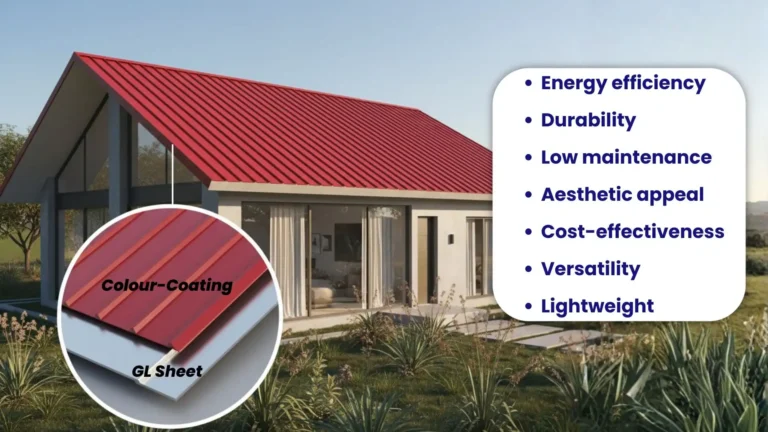
Additionally, coatings used in colour coated roofing sheet expansion help reduce heat absorption and improve resistance to thermal stress. This combination of material composition and coating technology ensures that the sheets can expand and contract smoothly while maintaining their structural integrity over time. -
Profile Design and Sheet Structure
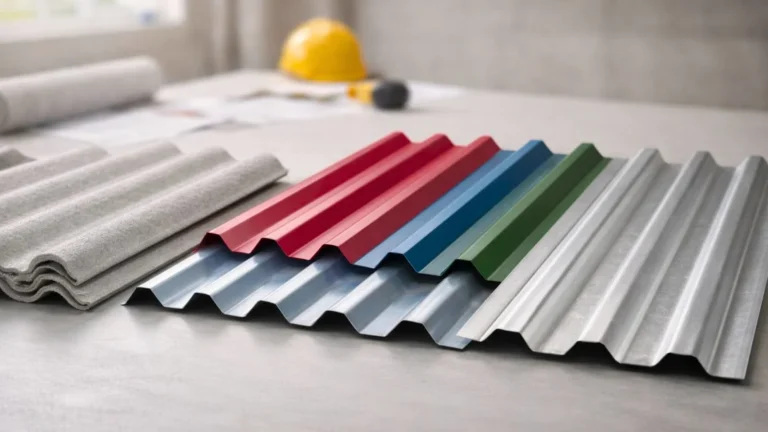
The shape and profile of roofing sheets play a significant role in managing expansion. Corrugated and trapezoidal profiles are specifically designed to distribute stress evenly across the surface. These profiles allow controlled movement and reduce the chances of distortion or damage.
-
Expansion Gap Importance
Allowing sufficient space for movement is a key part of managing thermal expansion. The expansion gap importance lies in providing room for sheets to expand without pressing against adjacent panels or structural components. When expansion gaps are not included, sheets may experience stress buildup. This will lead to buckling or warping. Proper spacing ensures that expansion occurs naturally without affecting the overall structure or performance of the roofing system.
-
Fastener Placement and Fixing Techniques
The way roofing sheets are fastened has a direct impact on how they handle thermal movement. Fasteners should be positioned and installed in a way that allows slight movement rather than restricting it. Following correct roofing sheet installation tips like using appropriate fasteners and maintaining flexibility, helps ensure that the sheets perform reliably under temperature changes.
-
Coating Layers and Thermal Resistance
Coating systems contribute significantly to managing thermal expansion. Reflective coatings reduce heat absorption, thereby minimizing the temperature effect on roofing sheets. These coatings also protect the surface from UV radiation and environmental exposure enhancing durability. They help limit the degree of expansion and improve overall performance in high-temperature conditions by reducing heat buildup.
Types of Roofing Sheets and Thermal Expansion Properties
Different roofing materials exhibit varying levels of thermal expansion depending on their composition and coatings.
- Metal roofing sheets generally experience higher expansion rates compared to other materials.
- Colour coated roofing sheet expansion is better controlled due to protective coatings that reduce heat absorption.
- Similarly, Al-Zn Coated Sheet expansion benefits from higher reflectivity, which helps minimize temperature buildup.
So, selecting the appropriate material based on environmental conditions plays a key role in managing thermal expansion effectively.
How Proper Installation Helps to Manage Expansion
Installation practices are critical in ensuring that thermal expansion does not negatively impact roofing performance.
Proper installation involves:
- Maintaining proper spacing between sheets
- Allowing adequate expansion gaps
- Using flexible fastening systems
- Ensuring accurate alignment during installation
These roofing sheet installation tips help prevent stress buildup and ensure that the roofing system can accommodate movement without damage.
Prevention Tips for Thermal Expansion Issues
Taking preventive measures helps maintain the durability and stability of roofing systems.
Proper installation involves:
- Select materials suited to environmental conditions
- Provide sufficient expansion gaps
- Follow proper installation practices
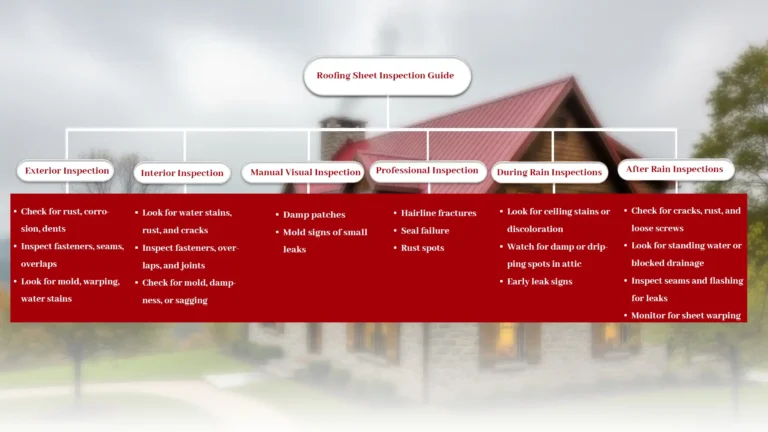
- Conduct regular inspections and maintenance
These steps help ensure that roofing sheets thermal expansion is effectively managed, reducing the likelihood of long-term damage.
Conclusion
Roofing sheets thermal expansion is a natural and unavoidable process that must be managed carefully to ensure long-term performance. From material composition to installation practices, each factor plays a role in controlling expansion and contraction effectively.
By understanding the temperature effect on roofing sheets and applying proper installation techniques, issues like mismatched alignment and joint separation can be minimized. Choosing the right roofing solution ensures durability, stability and consistent performance over time.
Written and Verified by:
Rhino Roofs
Bio: Leading roofing sheet manufacturer with 50+ years of experience in the Northeast. Rhino Roofs provides colour coated, galvalume (Aluminium Zinc coated) and asbestos cement roofing sheets.
FREQUENTLY ASK QUESTIONS
It refers to the expansion and contraction of roofing materials due to temperature changes.
It affects durability, alignment and overall performance of the roofing system.
By using proper materials, allowing spacing and following correct installation practices.
colour coated and Al-Zn coated sheets perform better due to their advanced coating systems.