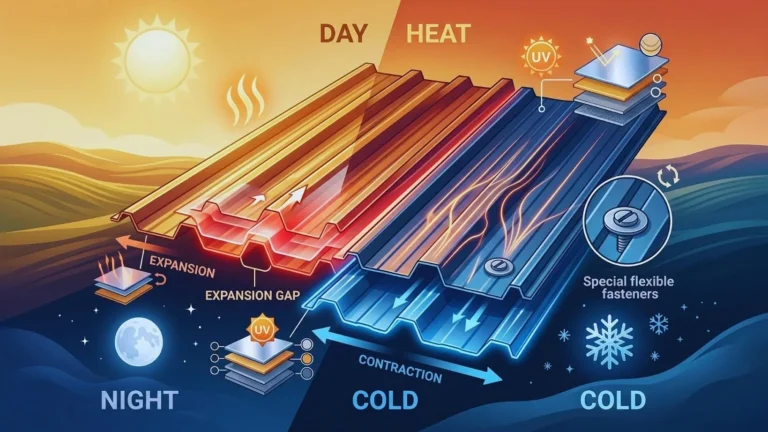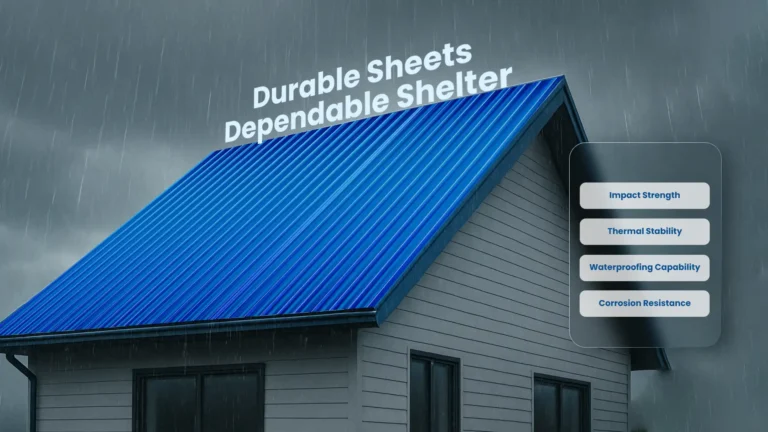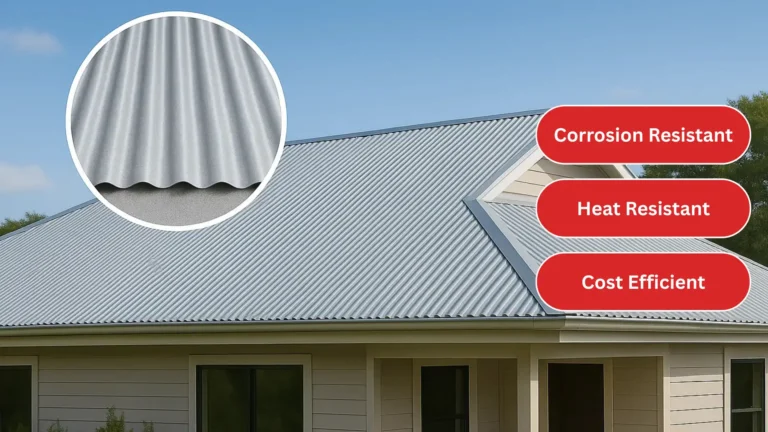
A roof stands between a building and intense sunlight, heavy rain, humidity, wind and sudden temperature changes. So, choosing a roofing material is not simply about finding something that covers the top of a building. It is about finding a solution that can perform reliably for years.
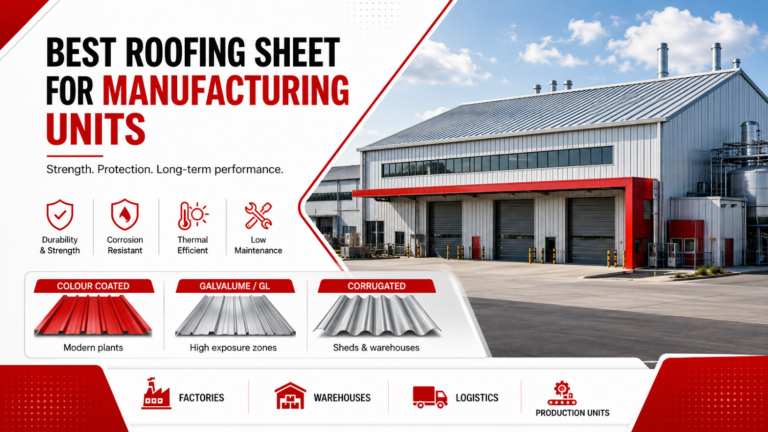
Today, there are several types of roofing sheets available for homes, factories, warehouses, agricultural buildings and commercial properties. Metal roofing sheets are especially popular because they combine strength, relatively low weight, durability and design flexibility.
But not every sheet works in the same way. The material, protective coating and thickness of the profile can all affect performance. Understanding these differences makes it easier to choose the right metal roofing sheet for a particular building.
What are the Main Metal Roofing Sheet Types?
Different metal roofing sheet materials are designed to meet different construction needs. Some focus more on corrosion protection, while others offer better appearance, insulation or cost advantages.
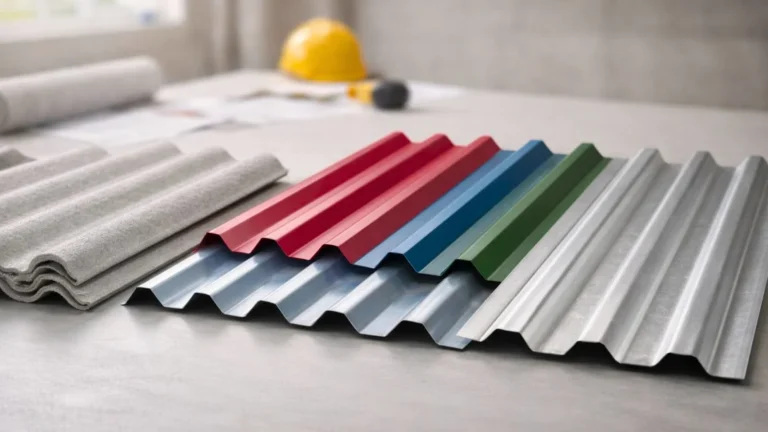
The most commonly considered options include Galvalume, colour coated, galvanised and other roofing sheet materials such as asbestos cement.
Galvalume Sheet
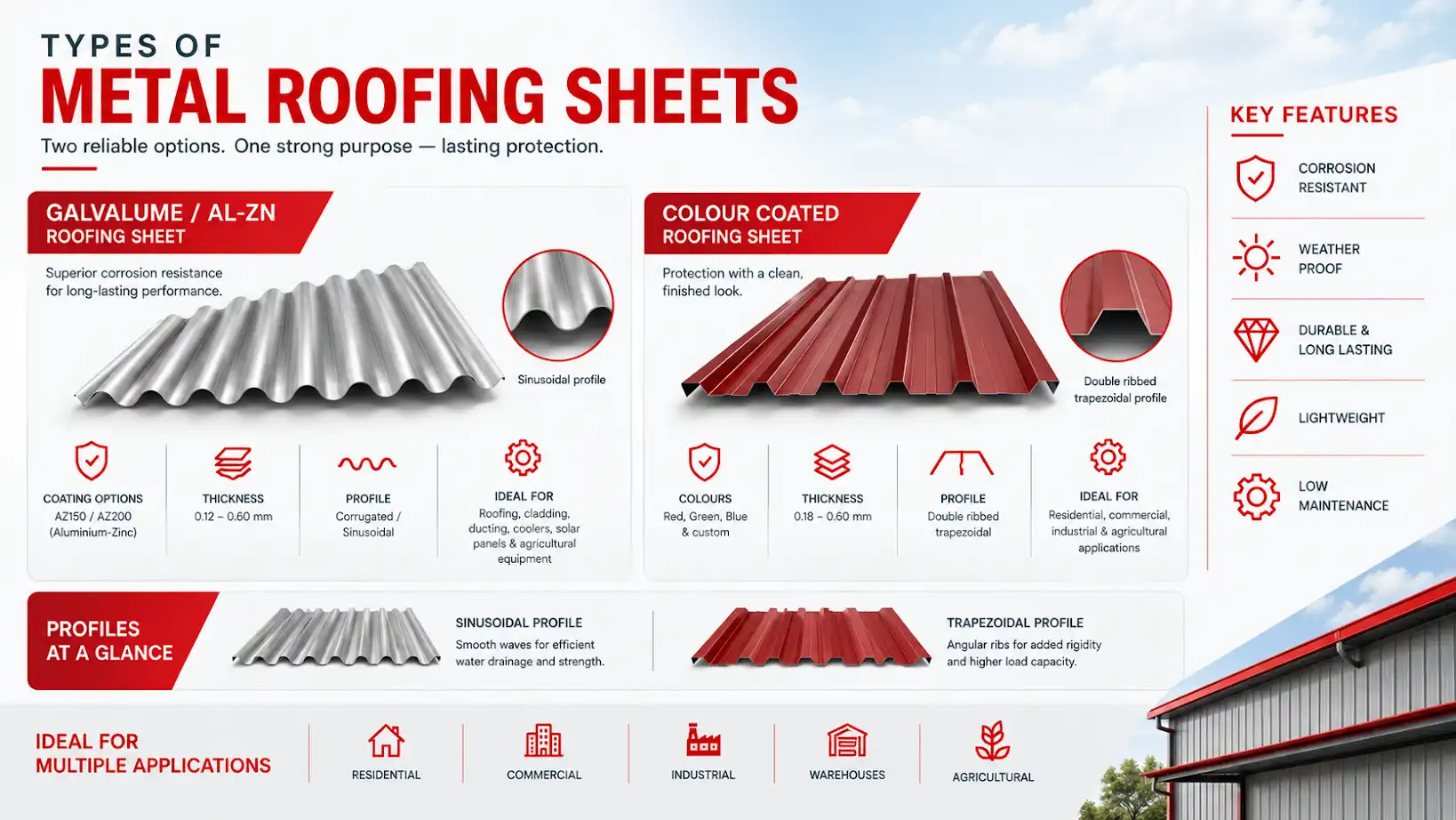
A galvalume sheet is made from steel coated with an aluminium-zinc alloy. This coating helps protect the steel from corrosion and improves its ability to withstand outdoor exposure. These galvalume sheets are available in two types one is aluzinc galvalume roofing sheet and another one is colour coated galvalume roofing sheet.
Galvalume roofing sheets are commonly used for factories, warehouses, industrial sheds, commercial buildings and other structures where durability matters. They are also relatively lightweight, making them easier to transport and install. Learn more about the uses of galvalume sheets.
Colour Coated Roofing Sheet
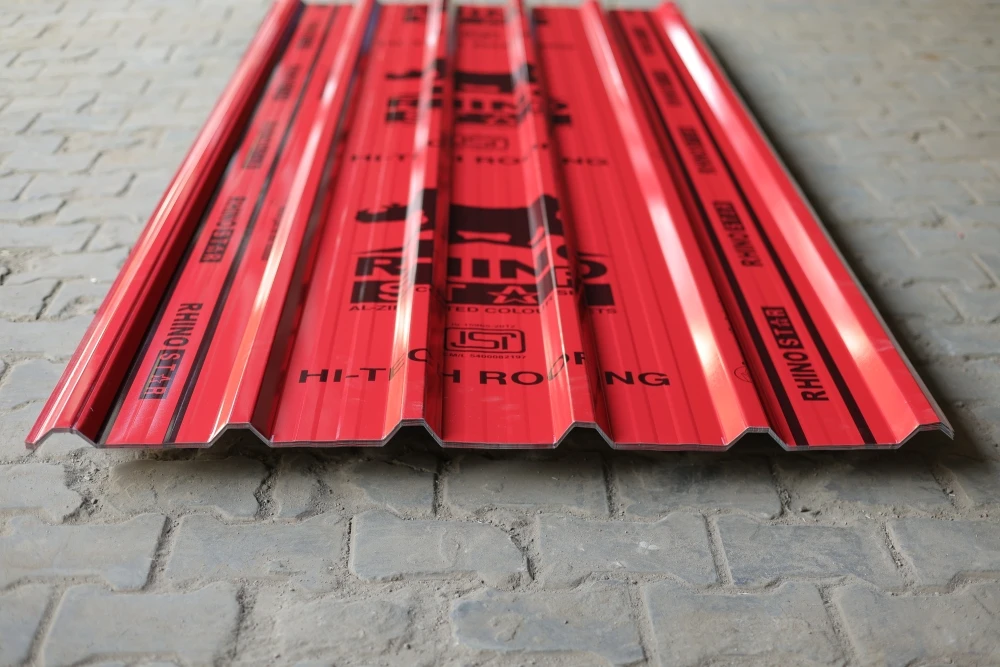
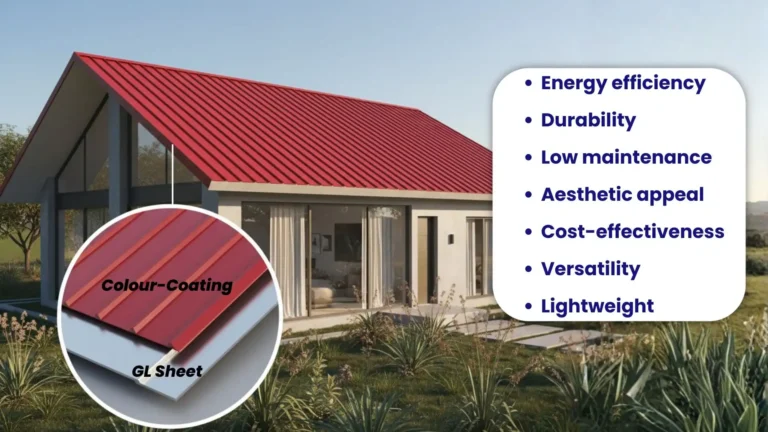
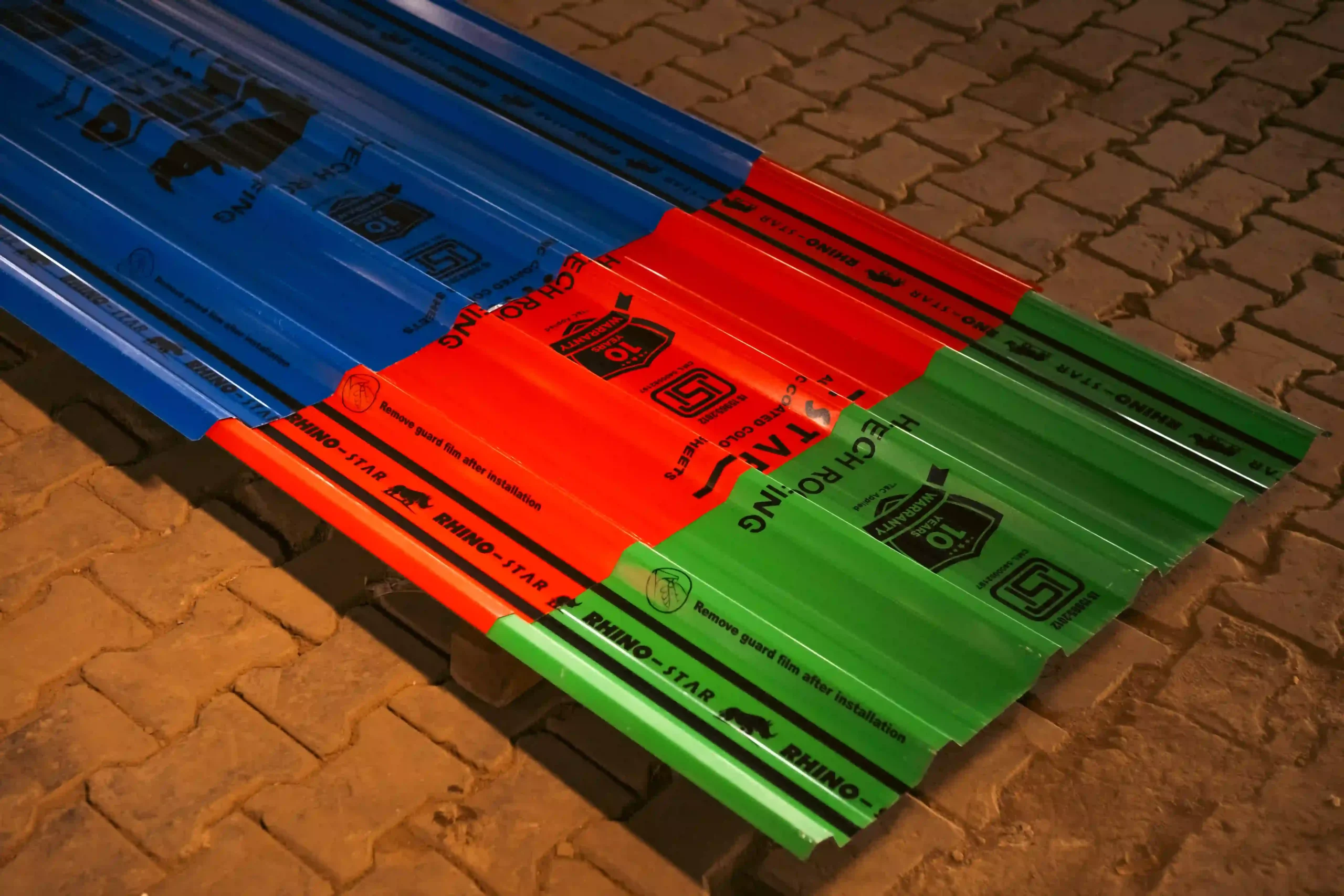
A colour coated roofing sheet has the protective coatings and a coloured finish over the steel surface. It combines the protective qualities of the underlying metal with a more finished appearance.
These sheets are available in different colours and are often used where the roof needs to look neat as well as perform well. A colour coated sheet can also offer resistance to sunlight and weather exposure, although its performance depends on the quality and specification of the coating.
Aluzinc Sheets & Coils (GL Sheets)
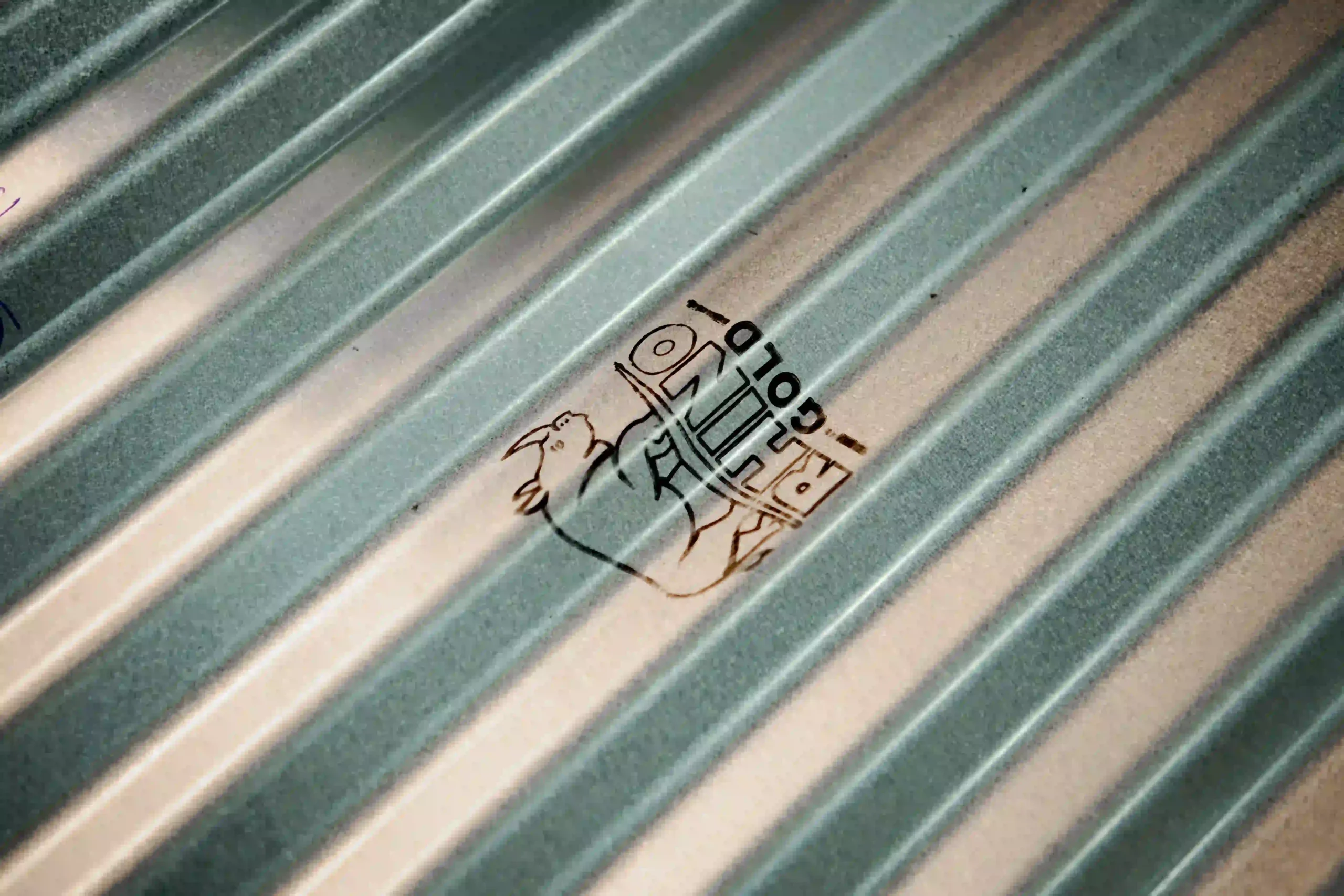
Aluzinc sheets & coils are steel products protected with an aluminium-zinc alloy coating. The coating helps improve resistance to corrosion and changing weather conditions.
Aluzinc sheets can be used for roofing and wall cladding, while coils can be processed into different profiles and sizes (check specification of aluzinc sheet). They are commonly used in industrial buildings, warehouses and pre-engineered structures where long-term protection is important.
Galvanised (GI) Roofing Sheet
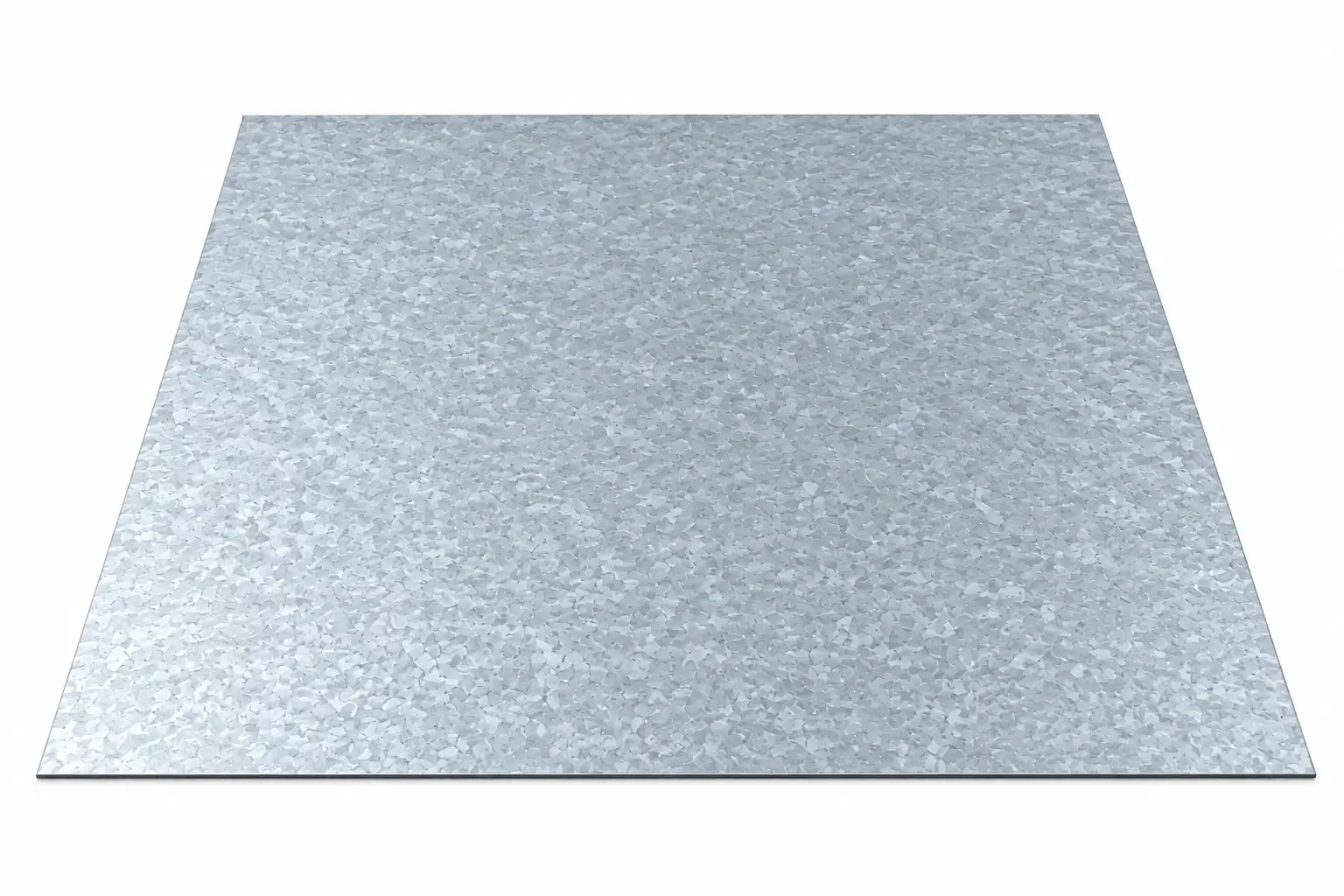
Galvanised roofing sheets are steel sheets protected with a layer of zinc. The zinc coating acts as a protective barrier and helps reduce the risk of rust.
They are used for a variety of residential, agricultural, commercial and industrial structures. They can be a practical option when durability and corrosion protection are required without a decorative finish.
Stone-Coated Steel Roofing Sheet
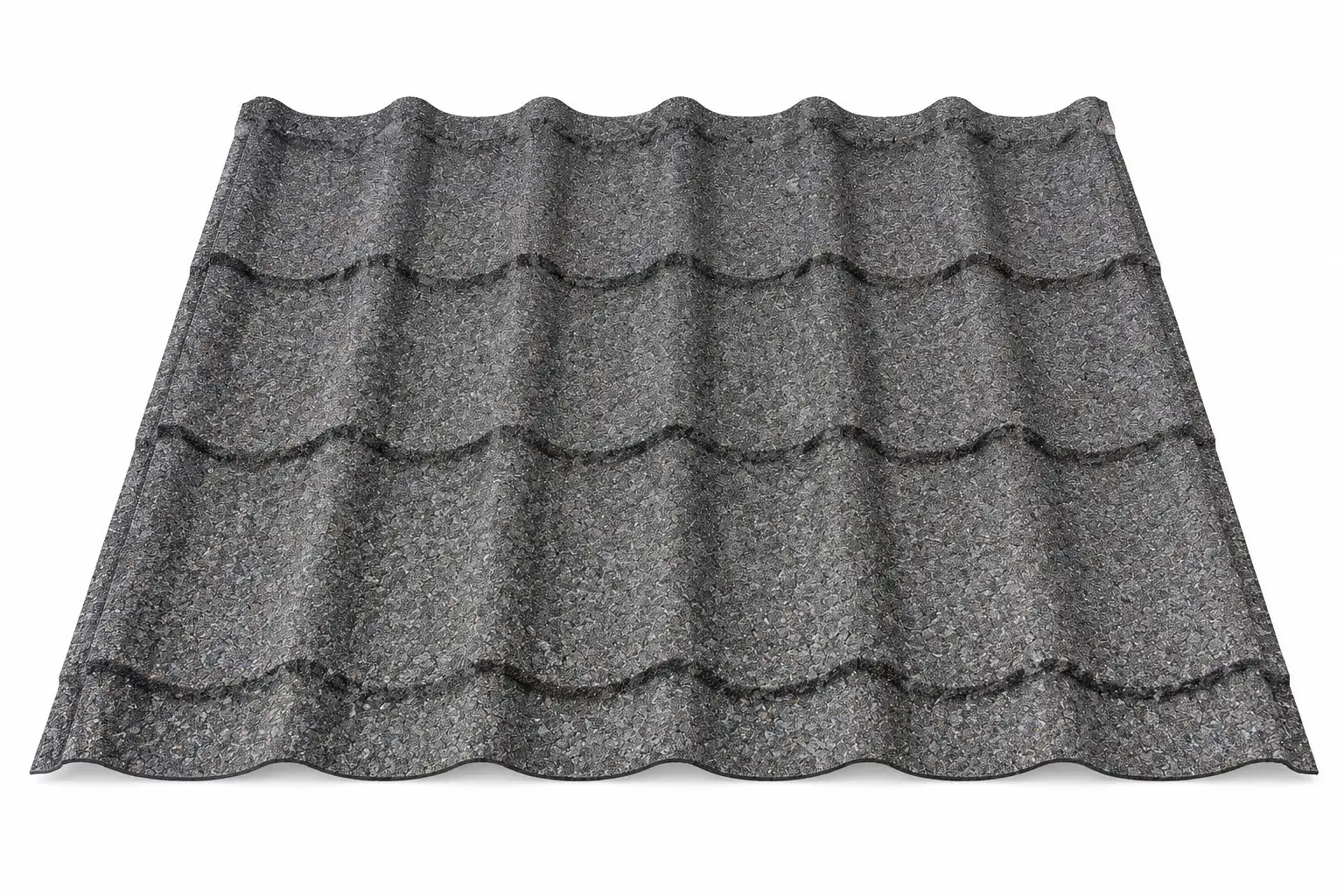
Stone-coated steel roofing sheets combine a strong steel core with a protective coating of stone granules. The stone finish provides added resistance to weathering while giving the roof a textured, attractive appearance.
These sheets are suitable for residential, commercial and industrial buildings, especially where homeowners or builders want a balance of durability, weather resistance and aesthetic appeal. They are also available in different colours and profiles to suit various architectural styles.
Metal Roofing Sheet Materials Comparison Table
| Roofing Sheet Type | Best For | Corrosion Resistance | Thickness and Sizes | Maintenance | Lifespan | Cost |
|---|---|---|---|---|---|---|
| Colour Coated Roofing Sheet | Homes, commercial buildings, warehouses and agricultural structures | Excellent with a suitable coating | Thickness – 0.18-0.60 mm Width (mm) – 900mm, 1000mm, 1220mm |
Low; periodic cleaning and inspection | Around 20-30 years, depending on coating and conditions | ₹40 to ₹60 per square foot |
| Galvalume Roofing Sheet | Factories, warehouses, industrial sheds and commercial buildings | Excellent | Thickness (mm) – 0.12-0.60 mm Length (mm) – 900-1000 mm |
Low | Around 30-50 years, depending on specification and environment | ₹45 to ₹85 per sq ft (as per coating and thickness) |
| Aluzinc Roofing Sheet | Industrial buildings, PEBs, roofing and wall cladding | Excellent | Thickness (mm) – 0.12-0.60 mm Length (mm) – 900-1000 mm |
Low | Around 30-50 years, depending on conditions | ₹30 to ₹45 per sq ft (as per coating and thickness) |
| Galvanised Roofing Sheet | Residential, agricultural, commercial and utility structures | Good | Available in several thicknesses and lengths | Low to moderate | Around 15-25 years | ₹40 to ₹80 per sq ft (as per coating and thickness) |
| Stone-Coated Steel Roofing Sheet | Residential homes, villas, commercial buildings, luxury projects, and architectural roofing applications | Excellent with multi-layer protective coating; highly resistant to rust, UV rays, and harsh weather conditions | Thickness: 0.35-0.55 mm steel base; Available lengths and profiles vary by manufacturer (tile, shake, or classic styles) | Low | Around 40-70 years | ₹200 – ₹300 per sq. ft. |
Learn More – Galvalume vs. Galvanized Roofing sheet
What is the Structural Profile and Shape of a Metal Roofing Sheet?
The material is only one part of a roofing sheet. Its structural profile and shape also influence how it performs.
The profile is the pattern formed along the sheet. It can affect strength, water drainage, wind performance, appearance and the way the sheet is installed.
Trapezoidal Roofing Sheets
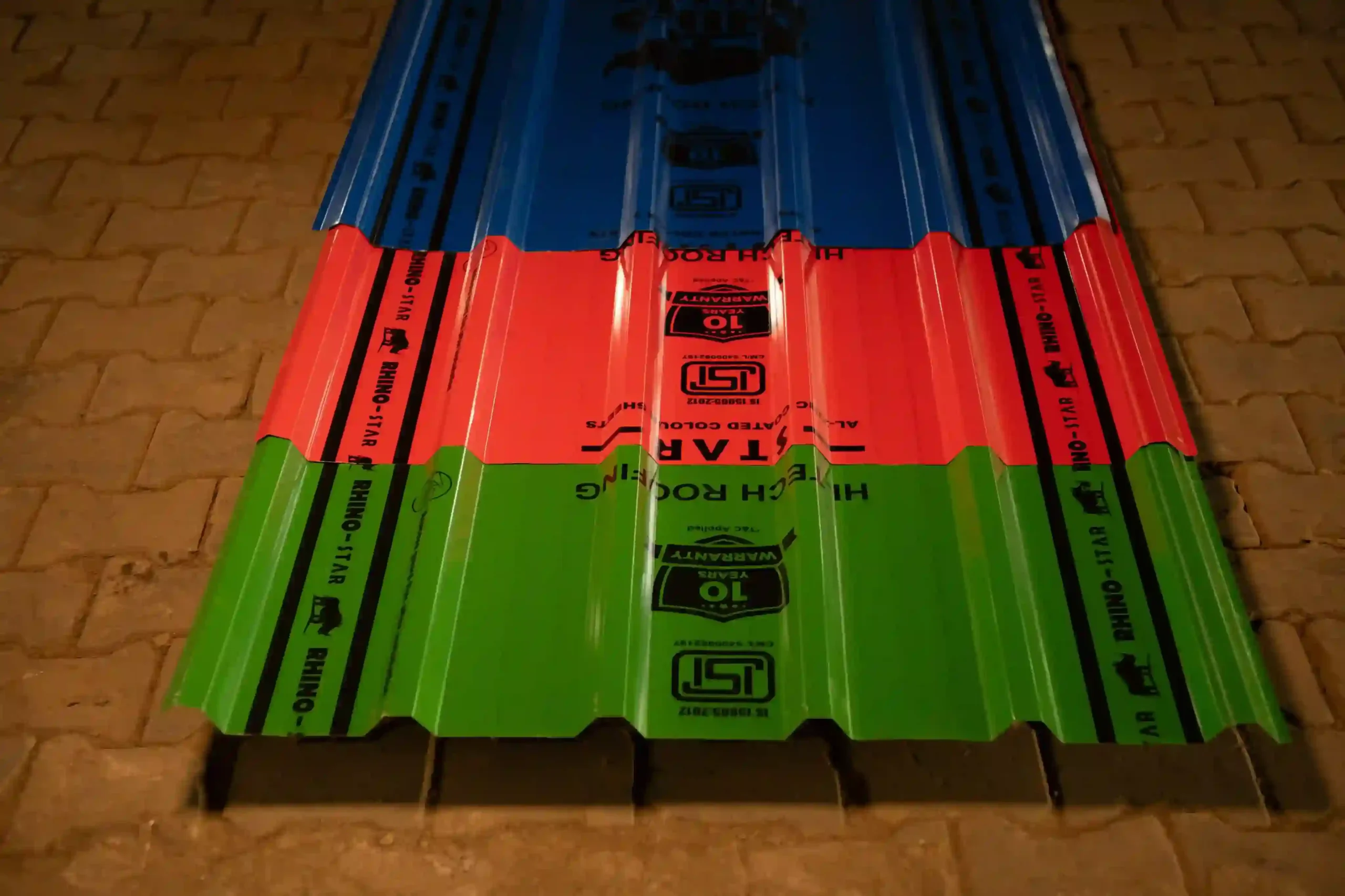
Trapezoidal Roofing Sheets have raised angular ribs running along the length of the sheet. These ribs make the sheet more rigid and can provide high structural strength.
The deeper channels also help rainwater move towards the drainage system. This makes the profile particularly suitable for factories, warehouses, industrial sheds and larger commercial buildings.
Corrugated Roofing Sheets
Corrugated Roofing Sheets have a wave-like pattern running across the surface. The repeated curves add rigidity while keeping the sheet relatively lightweight.
The channels created by the waves help rainwater flow away from the roof. Corrugated sheets are commonly used for homes, sheds, agricultural buildings, warehouses and other structures.
Learn More – Structural Advantages of Corrugated Sheet
Tile Profile
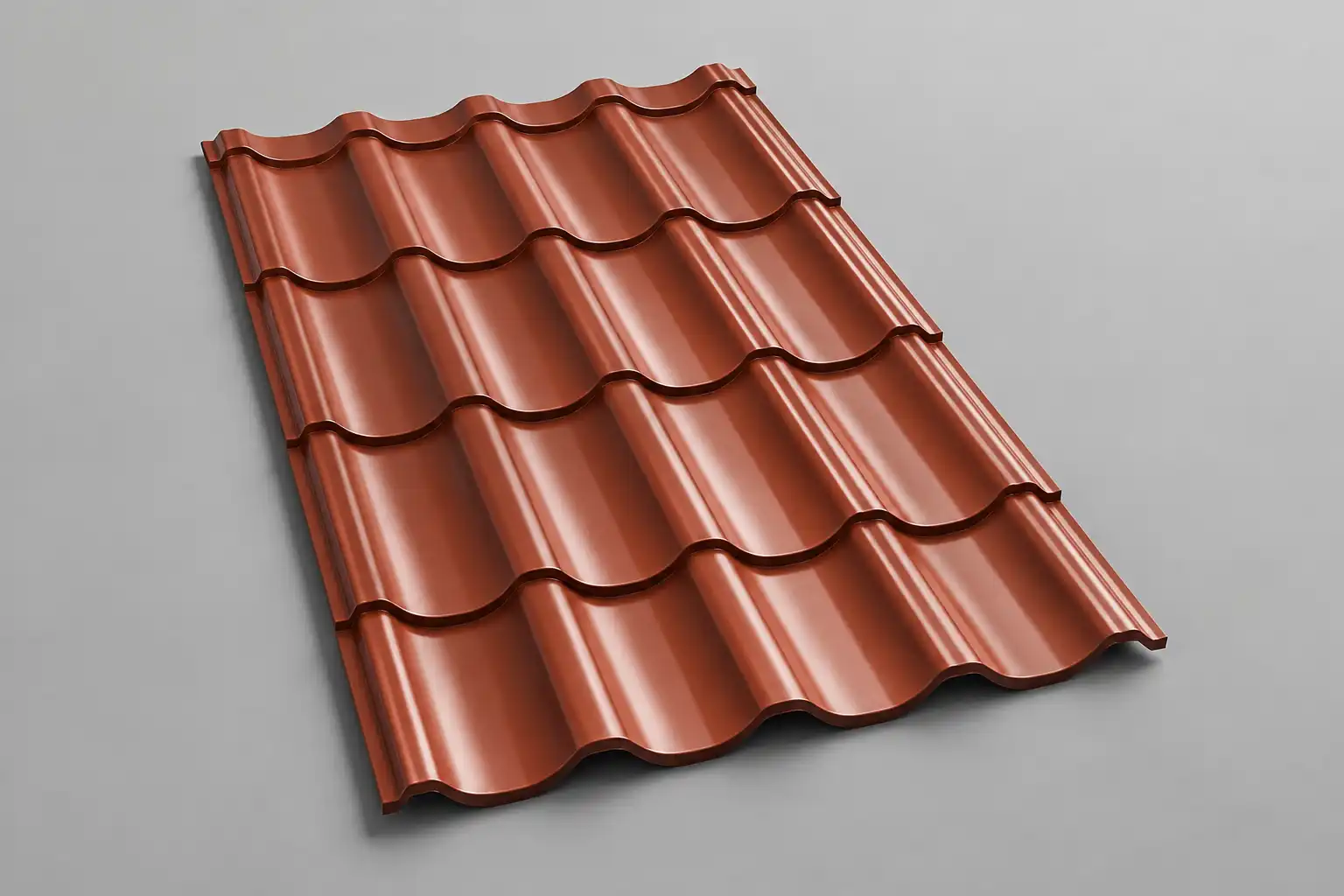
A tile profile is designed to give a metal roofing sheet the appearance of traditional roof tiles. It offers a more decorative finish while retaining the lightweight nature of metal roofing. It can provide a traditional look without the weight associated with conventional roof tiles.
Coil
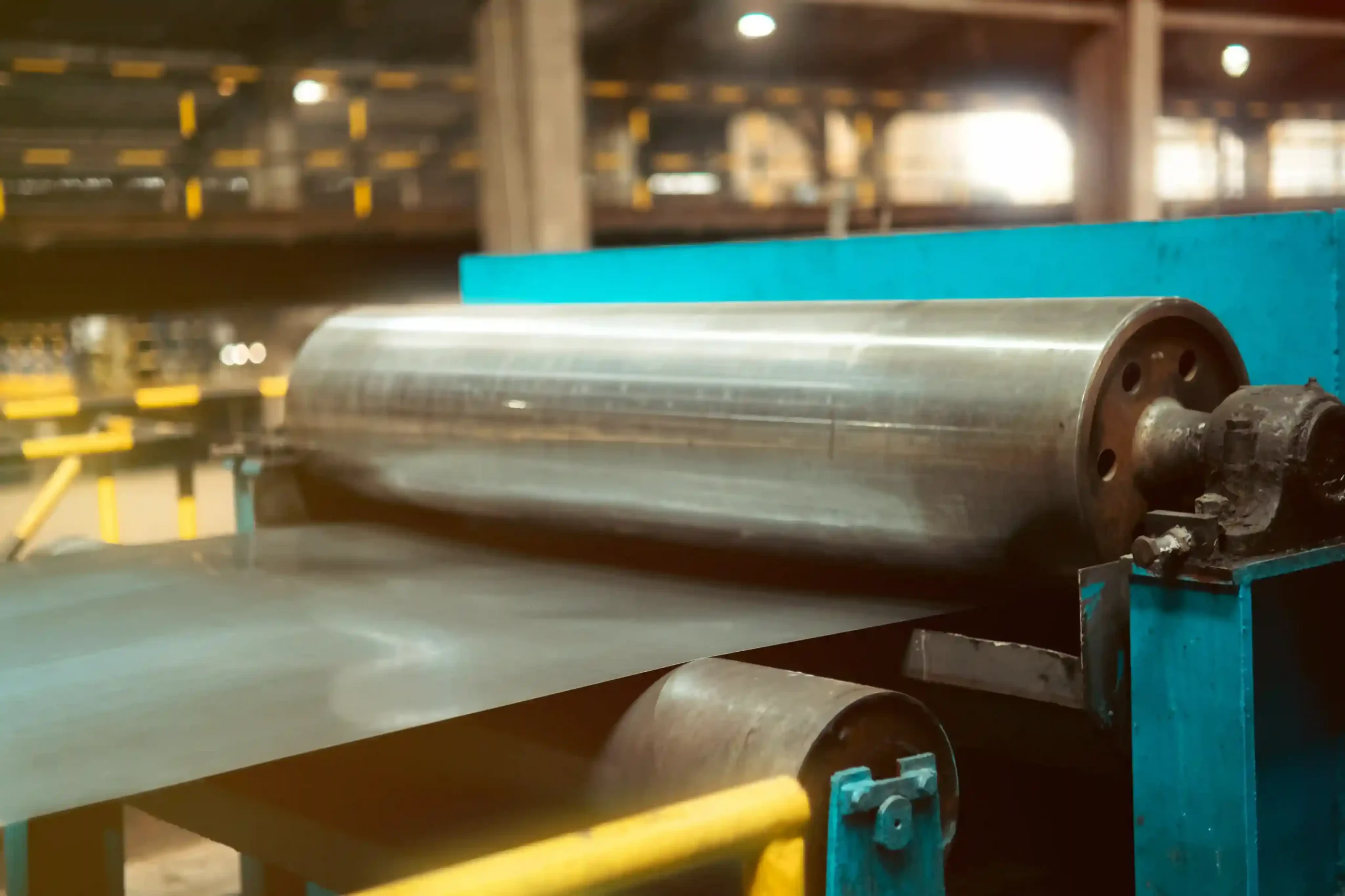
A coil is different from a finished roofing sheet profile. It is supplied as a continuous roll of flat metal material and can be processed into different shapes using suitable forming equipment. They are commonly used in roofing sheet manufacturing and other applications where customised metal forming is required.
Curved Metal Roofing Sheet
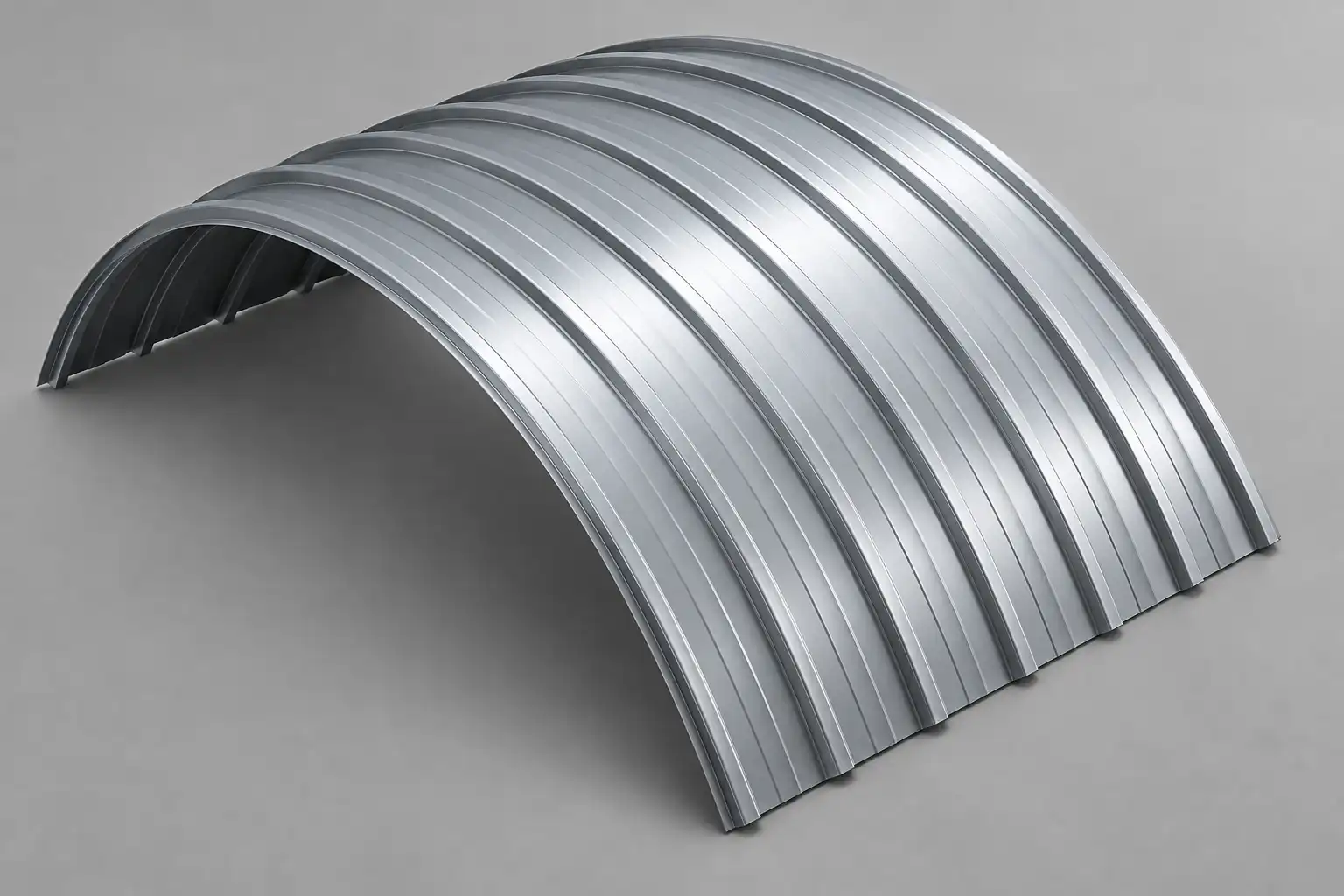
A curved metal roofing sheet is a specially designed roofing panel that is bent into a curved or arched shape to create unique and modern architectural structures. These sheets are manufactured by rolling or bending metal panels into a specific radius while maintaining strength, durability, and weather resistance. They are widely used for curved roofs, canopies, walkways, stadiums, auditoriums, and commercial buildings where both aesthetics and performance are important. The smooth curved design enhances the visual appeal of structures, improves rainwater flow, provides excellent durability, and can be customized according to project requirements. Curved metal roofing sheets combine functional performance with modern architectural design flexibility.
Metal Roofing Sheet Profile Comparison Table
| Profile | Shape | Strength | Water Drainage | Common Applications |
|---|---|---|---|---|
| Trapezoidal Roofing Sheets | Angular raised ribs | High | Excellent | Factories, warehouses, industrial sheds and commercial buildings |
| Corrugated Roofing Sheets | Continuous wave-shaped ribs | Good | Very good | Homes, sheds, agricultural buildings, warehouses and industrial structures |
| Tile Profile | Shaped to resemble traditional tiles | Moderate to good | Good | Homes, villas, resorts and commercial buildings |
| Coil | Flat metal supplied in roll form | Depends on final profile | Not applicable until formed | Manufacturing, roofing, cladding and customised applications |
| Curved Metal Roofing Sheet | Smooth arched or bent profile with curved ribs | High | Excellent due to smooth curved surface allowing fast water runoff | Architectural buildings, curved roofs, canopies, walkways, stadiums, auditoriums and modern commercial structures |
What are the Advantages of Metal Roofing Sheets?
Metal roofing sheets are popular because they offer a practical balance between strength, weight, durability and appearance. Their exact performance depends on the material, coating, thickness, profile and installation.
Strength and Durability
A good-quality metal roof can withstand everyday exposure to sunlight, rain, wind and temperature changes. The profile also adds rigidity, helping the sheet maintain its shape.
Choosing the correct thickness and profile is important because roofing requirements vary between a small residential building and a large industrial structure.
Corrosion and Weather Protection
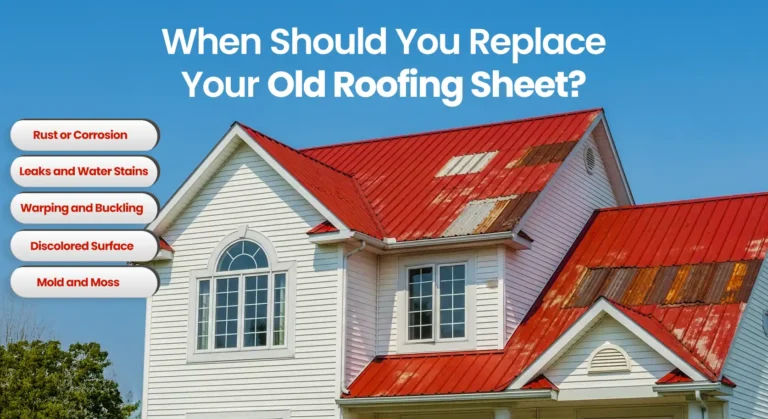
Protective coatings can significantly improve the ability of a roofing sheet to resist corrosion. Aluminium-zinc coatings, for example, are designed to protect the steel underneath from environmental exposure.
This becomes particularly important in areas with high humidity, heavy rainfall or other conditions that can accelerate corrosion.
Lightweight Construction
Metal roofing sheets are generally lighter than many traditional roofing materials. This makes them easier to transport, lift and install.
Their lower weight can also reduce the load placed on the supporting structure, although the roof still needs to be designed and installed correctly.
Efficient Rainwater Drainage
The shape of a roofing sheet helps determine how quickly rainwater leaves the roof. Trapezoidal profiles use their raised ribs, while corrugated profiles use their wave-shaped channels to guide water towards the drainage system.
Correct roof slope and proper installation are equally important for preventing water from collecting on the surface.
Design Flexibility
Roofing sheets are available in different profiles, finishes and colours. A coloured roofing sheet, for example, can provide a cleaner appearance, while a tile profile can create a more traditional look.
This flexibility allows roofing materials to work with different architectural styles without compromising the basic function of the roof.
Low Maintenance
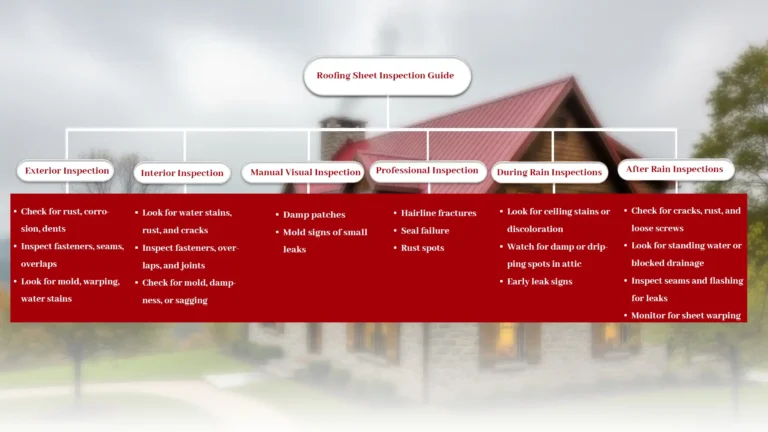
Many modern roofing sheets require relatively little maintenance. Regular inspection can help identify loose fasteners, damaged coatings, blocked drainage points or other small problems before they become more serious.
Simple cleaning and timely repairs can also help maintain the roof’s appearance and extend its useful life.
How to Choose Best Metal Roofing Sheet
Choosing the best metal roofing sheet requires evaluating material type, thickness (gauge), coating quality, corrosion resistance, load capacity, weather durability, insulation properties, and maintenance requirements. Consider options like galvanized steel, aluminium, or stone-coated sheets based on your climate, building structure, and budget. Always select certified sheets from a reliable manufacturer for long-term performance.
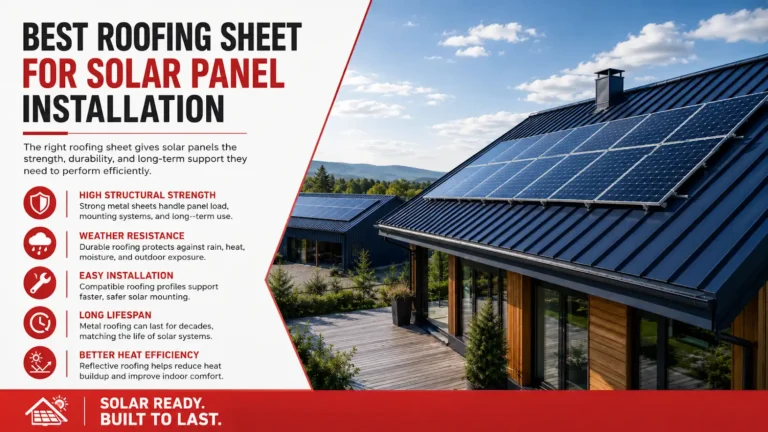
Learn More – Best Metal Roofing Sheet for Solar Panel
Conclusion
There is no single answer when it comes to choosing between different types of metal roofing sheets. Galvalume, Aluzinc, colour coated, galvanised and other materials each have different characteristics, while profiles such as trapezoidal and corrugated shapes influence strength, drainage and appearance.
For a practical decision, look beyond the surface. Consider where the roof will be used, how much weather exposure it will face, how much maintenance is possible and how long it is expected to last.
When the right material, thickness, coating and profile are selected together, a roofing sheet can provide dependable protection while remaining practical, durable and suitable for the building’s needs.
Written and Verified by:
Rhino Roofs
Bio: Leading roofing sheet manufacturer with 50+ years of experience in the Northeast. Rhino Roofs provides colour coated, galvalume (Aluminium Zinc coated) and asbestos cement roofing sheets.
FREQUENTLY ASK QUESTIONS
Common options include Galvalume, Aluzinc, colour coated and galvanised roofing sheets. The best choice depends on factors such as corrosion resistance, durability, appearance and application.
Galvalume roofing sheets use an aluminium-zinc coating for corrosion protection. Colour coated roofing sheets have a protective coating system with a coloured finish and are chosen when both protection and appearance are important.
Trapezoidal profiles generally offer higher structural strength because of their raised angular ribs. However, actual performance depends on the sheet’s material, thickness, span, fixing method and installation.
The lifespan varies by material, coating, thickness, climate, installation and maintenance. Some coated metal roofing sheets can last several decades when properly selected and maintained.
This version keeps the paragraphs compact and conversational while ensuring the requested keywords are incorporated naturally rather than forced into the copy.