Introduction
Heavy rainfall is beautiful to watch from the comfort of a dry home. But for your roof, it’s a season-long test of strength, endurance, and design. In areas where the downpour is frequent and intense, not every roofing sheet can stand up to the challenge.
That’s why choosing the right material, design, and installation approach is important if you want long-lasting protection.
In this article, we will cover the factors that make a roofing sheet durable in heavy rainfall zones.
Understanding the Impact of Heavy Rainfall on Roofing
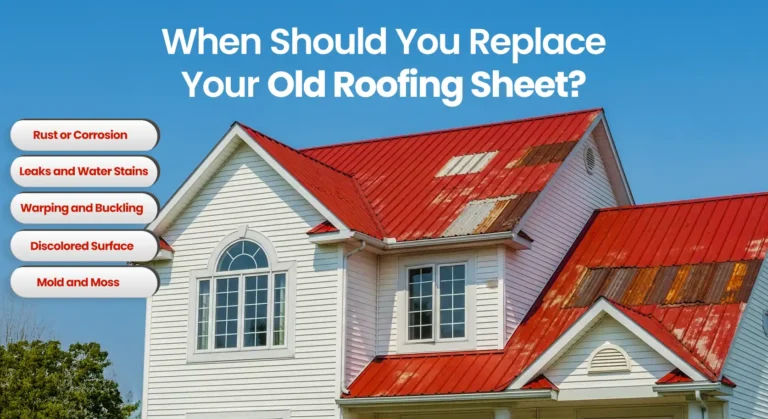
When rainwater falls relentlessly, it doesn’t just cause surface wetness; it challenges the structural integrity of the roof. Prolonged moisture exposure can lead to rust, corrosion, seepage, and even structural warping in some materials. If the roofing sheet is not designed for such weather, the consequences can include leakage, reduced insulation, and higher maintenance costs. Over time, these small damages accumulate, leading to costly repairs or replacements.
Key Features of a Durable Roofing Sheet
A durable roofing sheet meant for heavy rainfall zones must do more than just cover your home-it should actively resist water penetration, minimise noise during heavy showers, and prevent damage caused by high winds often accompanying storms. Here’s what to look for:
-
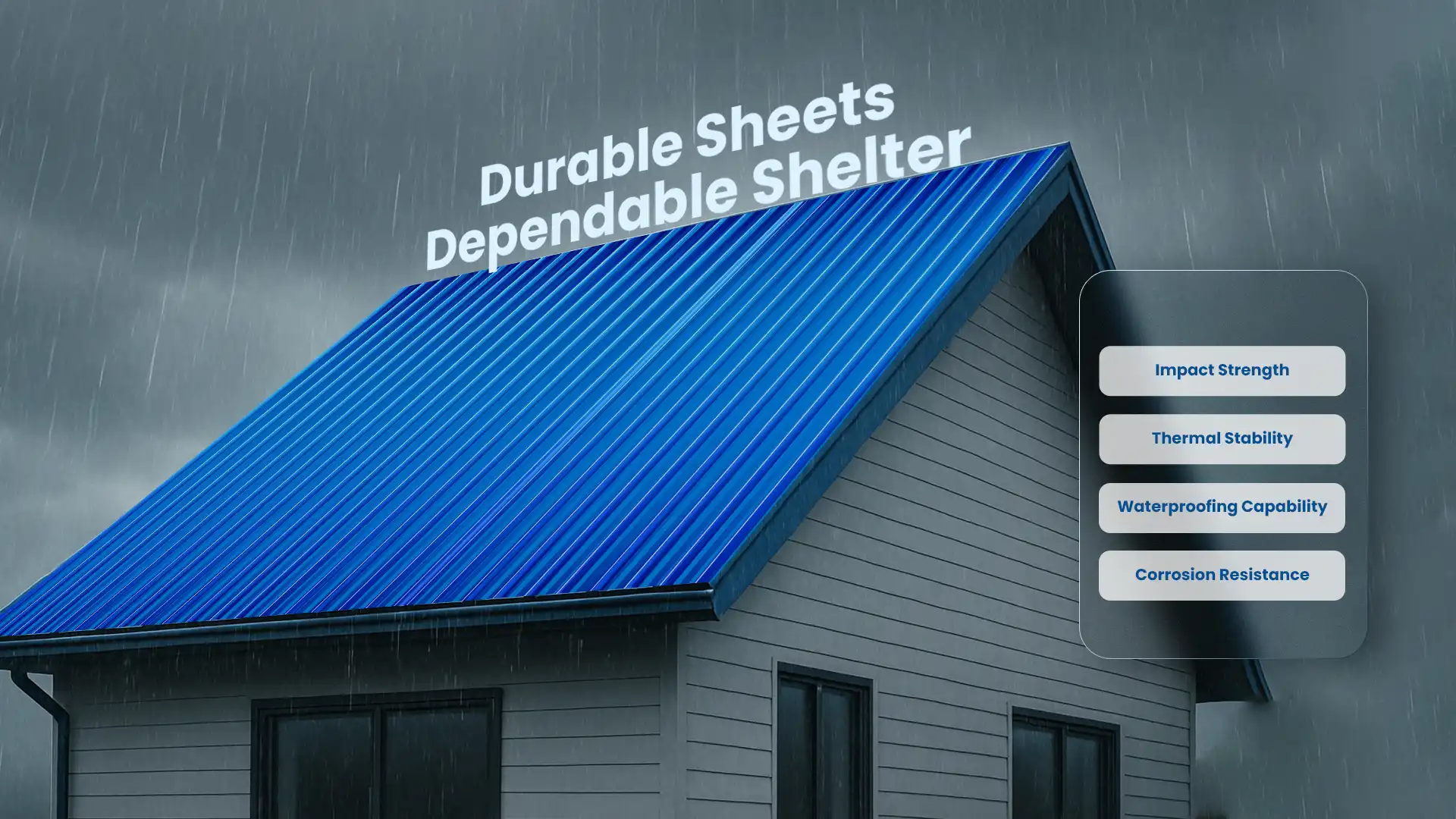
Waterproofing Capability:
The sheet should have a strong water-resistant coating with a primer to ensure rainwater rolls off rather than seeps in.
-
Corrosion Resistance:
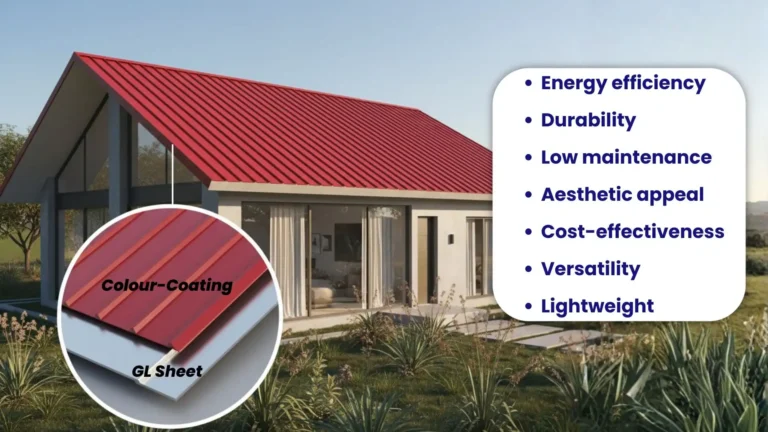
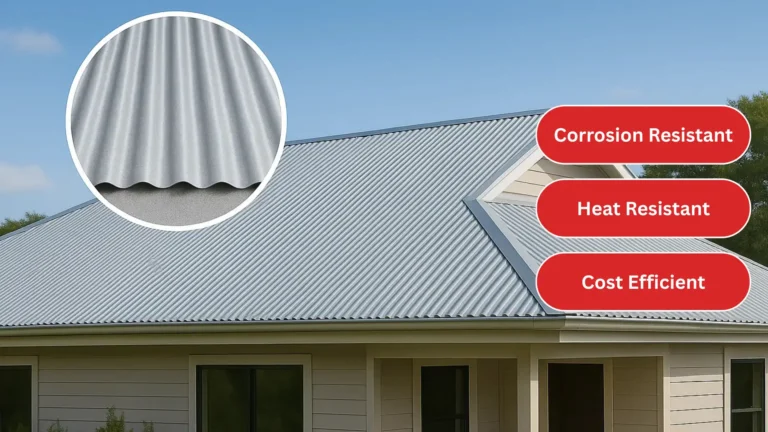
Special coatings like zinc-aluminium or galvalume layer protect against rust.
-
Impact Strength:
Heavy rainfall often brings debris; a good sheet must withstand the force without cracking.
-
Thermal Stability:
Even in humid conditions, the sheet should resist temperature-driven expansion and contraction to avoid cracks.
-
Low Maintenance:
Durable sheets require minimal upkeep, saving long-term costs.
“In regions with heavy rainfall, the durable roofing sheet just does not give a cover- it gives protection. Look for waterproof coatings, rust-resistant layers like galvalume, strong impact resistance for storm debris, and thermal stability to handle humidity and temperature shifts. And above all, choose low-maintenance materials to save time and cost long-term.”
Choosing the Right Type of Roofing Sheet for a Heavy Rainy Area
Find the roofing sheets that follow the below factors.
-
Best Material of Roofing Sheet for Rainy Areas
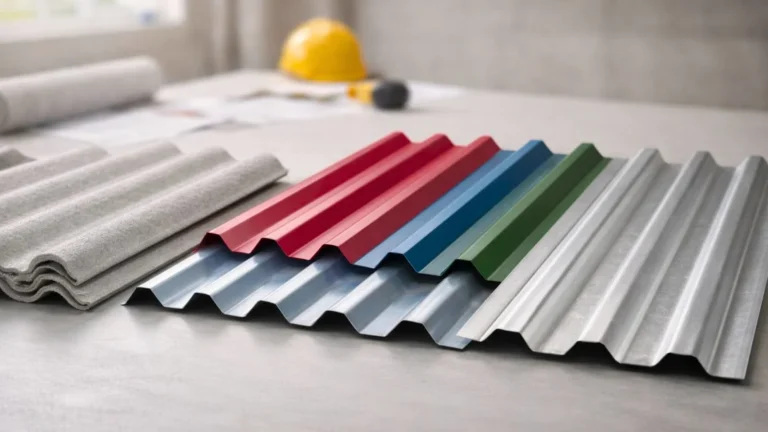
Not all materials perform equally in wet climates. For instance, plain GI (Galvanised Iron) sheets may be affordable but are prone to rust without proper coating. Modern alternatives like high-quality aluminium-zinc alloy-coated options offer better protection. Metal sheets with advanced coating technology provide both strength and weather resistance, making them ideal for tropical and coastal regions.
“Metal roofing, especially aluminium and galvanised steel, is one of the most popular roof types for heavy rain prone areas, due to its durability and modern look.” Source
– written by Kinjal Mistry on GharPedia. Kinjal Mistry was awarded a degree in Civil engineering in 2016 from Dharmsinh Desai University, Gujarat. She is a Manager (Civil B. Tech) at SDCPL – Gharpedia.“Metal roofing is an excellent choice for heavy rainfall regions due to its durability and rust resistance.
Unlike other roofing materials, metal roofs can withstand the constant exposure to rain without deteriorating or requiring frequent repairs.
Additionally, metal roofs have a longer lifespan in wet climates, making them a cost-effective option for homeowners in areas with heavy rainfall. Source
– written by The Roof Technician. The Roof Technician has experience in roofing services since 2005.Another consideration is the profile design. Corrugated sheets, for example, allow rainwater to drain faster, reducing the chance of pooling and leakage.
-
Best Roof Shape for Rainy Climate
The slope of the roof plays a big role in keeping water out. A steeper slope ensures that rainwater drains quickly, leaving no time for seepage. Designs like gable or hip roofs are considered the best for heavy rainfall areas because they direct water away effectively. Flat roofs, while modern in appearance, can cause water accumulation unless equipped with advanced drainage solutions.
Best Roofing Sheet for Heavy Rainfall Areas
While “best” can vary based on local climate and budget, metal roofing sheets with corrosion-resistant coatings often rank high for durability in heavy rainfall areas. Their strength, rust resistance, and quick drainage make them a popular choice for homeowners seeking peace of mind during the monsoon. Fiber-cement sheets can also work well, especially in places where extra thermal insulation is needed.
Installation Matters as Much as Material
Even the most advanced roofing sheet will fail if installed poorly. Sealing joints, aligning sheets correctly, and ensuring proper fastening are all essential to prevent leaks. Ventilation is another factor-allowing airflow beneath the roof can reduce moisture build-up and extend lifespan. Learn more about the common mistakes to avoid when installing coloured roofing sheets.
Maintenance Tips for Longevity
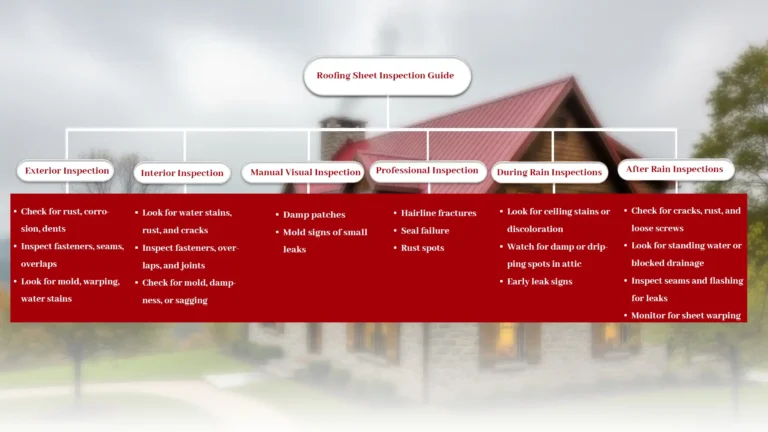
- Inspect roof edges and joints before the monsoon.
- Replace damaged sheets immediately to avoid further weakening.
- Check for accumulated leaves, twigs and other debris, which can trap moisture and accelerate corrosion.
- While DIY inspections are important, a professional can spot issues that a homeowner might miss.
- Clean roofing sheets regularly with clean water with mild, neutral-pH detergents and a soft brush to remove dirt, leaves, and algae. Avoid harsh chemicals. Learn more in details about how to clean colour coated roofing sheets.
Conclusion
“A durable roofing sheet in a heavy rainfall zone is a smart element of a building element. It also depends on the well-structured-design, and expert installation. By understanding the demands of your local climate and choosing accordingly, you can ensure years of worry-free protection for your home.”
Written and Verified by:
Rhino Roofs
Bio: Leading roofing sheet manufacturer with 50+ years of experience in the Northeast. Rhino Roofs provides color-coated, galvalume and asbestos cement roofing sheets.
FREQUENTLY ASK QUESTIONS
It’s ideal to inspect your roof at least twice a year—before and after the rainy season—to catch issues early.
Flat roofs are possible but require excellent drainage systems and waterproofing to prevent water pooling.
Yes, but with proper insulation and underlayment, the sound can be significantly reduced.
Zinc-aluminium alloy coatings provide strong rust protection in wet and coastal climates.
With proper installation and maintenance, premium roofing sheets can last 20–30 years or more.