

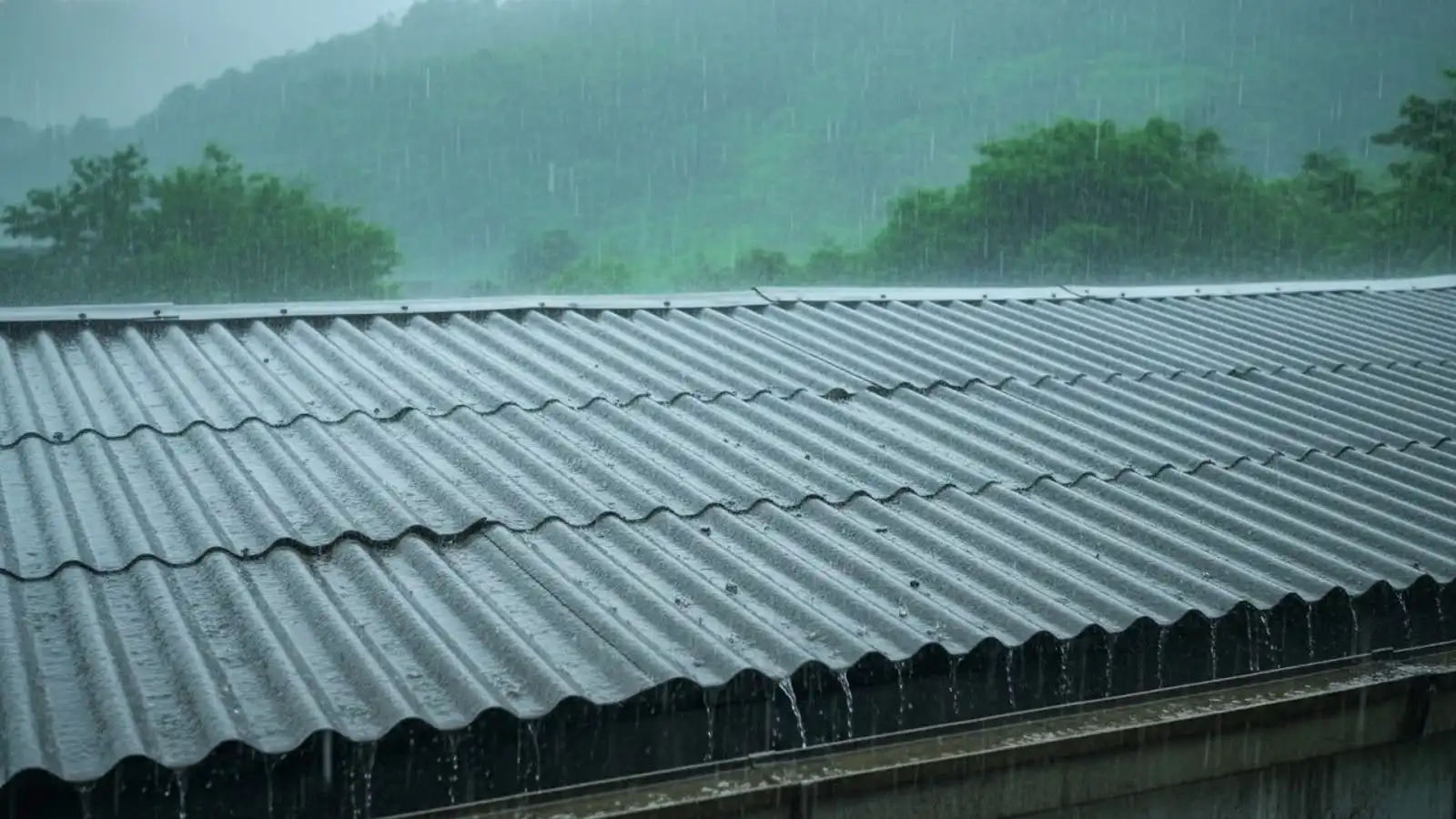
Roof leakage remains one of the most common and disruptive issues faced across homes and warehouses even in commercial buildings in India. Even a small gap or crack on an asbestos sheet can allow monsoon water to seep in. Eventually it will damage both the structure and the interiors beneath.
When leakage begins, it can trigger mold growth, structural dampness, corrosion and increased maintenance expenses. That is why knowing the exact cause and adopting the right method of repair is crucial.
This guide offers perspective on identifying leakage issues, evaluating modern waterproofing methods.
Best Cement Sheet Roof Leakage Solutions
Modern waterproofing technology has advanced rapidly, offering highly effective alternatives to old patching techniques. Below are the most reliable solutions available today.
| Solution Type | Durability | Approx. Cost (₹) | Best For | Pros | Cons |
|---|---|---|---|---|---|
| Elastomeric Waterproof Coating | 8–12 years | 55–120/sq.ft | Old asbestos cement roof sheets, industrial roofs | Flexible, UV-resistant, seamless finish | Requires professional application |
| Bitumen Membrane + Bonding Agent | 6–10 years | 70–150/sq.ft | Roofs with multiple cracks, weak overlaps | Strong adhesion, weather-resistant | Can absorb heat, heavier system |
| Polyurethane Sealants | 3–5 years | 250–450 per tube | Cracks, nail holes, small joints | Highly elastic, durable for spot repairs | Not ideal for entire roof coverage |
| Leakage Sealing Tape | 1–3 years | 250–650 per roll | Emergency repairs, overlaps, ridge gaps | Easy to apply, DIY-friendly | Temporary solution |
| Fastener & Ridge Gap Replacement | 5–8 years | Variable | Leakage around screws and ridges | Low-cost, effective for local issues | Not sufficient for severely aged sheets |
For Long-Term Performance Preventive Maintenance Tips
Routine maintenance is key to make sure you have the long-lasting results. Even the best waterproofing system benefits from periodic inspection and cleaning.
-
Annual Roof Inspection
A yearly roof inspection, preferably scheduled before the monsoon. It will help to identify early symptoms of leakage such as moisture patches, mold, rust around fasteners or subtle sagging. Early intervention prevents unnecessary damage and makes repairs more manageable. Regular inspections are particularly crucial for aging asbestos roof sheets or fibre cement systems that naturally weaken over time. Learn more about the asbestos roofing sheet inspection guide.
-
Cleaning & Debris Removal
Debris accumulation between overlapping sheets is one of the most common reasons for water stagnation. Leaves, dust, moss and dirt trapped in these gaps slow down water flow and increase pressure on vulnerable sections of the roof. Regular cleaning improves drainage and prevents long-term dampness-related damage. To ensure that excess water does not overflow back into the roofing structure maintain clean gutters and downpipes.
-
Timely Fastener Tightening & Replacement
Fasteners loosen naturally due to wind pressure and heat-induced expansion and structural movement. Even a slightly raised screw head can create a direct water entry point. Periodically tightening fasteners and replacing rusted or damaged ones helps prevent seepage and enhances the roof’s overall stability. This precaution is especially important in older roofs where the original fasteners may have lost their grip over time.
-
Checking & Resealing Overlaps and Joints
Overlaps and joints are the most vulnerable areas on any cement sheet roof, especially in structures that have undergone multiple repairs. Over time, sealing compounds dry out, shrink or lose adhesion. Conducting a routine check of side laps, ridge joints and end overlaps helps identify early signs of gaps or capillary leakage. This practice also reduces the risk of cracking or shifting during heat cycles.
-
Protective Painting and Surface Recoating
UV rays and extreme heat accelerate the deterioration of cement and asbestos roofing surfaces. Applying a protective paint or reflective coating every few years shields the sheets from harsh sunlight. It also reduces the surface porosity and slows aging. This preventive step supports long-term durability and reduces the frequency of major repairs. It can keep the roofing system structurally well-maintained throughout seasonal changes.
What Causes Leakage in Cement Roofing Sheets?
Identifying the cause of leakage is the foundation of choosing the right cement sheet water leakage solution. Most roofing failures trace back to a few predictable issues.
- Ageing and weather exposure: Cement and asbestos roofing sheets deteriorate under constant heat, rain and UV rays. Over time, thermal expansion and contraction create micro-cracks that allow water to pass through.
- Loose or rusted fasteners: Rusted screws, damaged washers or lifted fasteners create openings for rainwater. Even a slight gap is enough to cause continuous seepage during monsoon showers.
- Overlapping and installation issues: Poor overlapping, misalignment, inadequate slope and ridge gaps are common points where leakage begins, especially in older installations.
Conclusion
Leakage of asbestos roofing sheets can be solved effectively when the right techniques are used. Whether you choose for elastomeric coatings, bitumen membranes, PU sealants, or sealing tapes, each solution offers distinct advantages suited to different levels of damage-even for older roofs made with asbestos sheet panels. Routine maintenance helps extend the life of these repairs, while full roof replacement sourced from the trusted asbestos sheet manufacturer like Rhino Roofs ensures long-lasting protection when repairs are no longer sufficient. With the right approach, leakage can be efficiently controlled and prevented from recurring.
Written and Verified by:

Rhino Roofs
Bio: Leading roofing sheet manufacturer with 50+ years of experience in the Northeast. Rhino Roofs provides color-coated, galvalume and asbestos cement roofing sheets.
FREQUENTLY ASK QUESTIONS
Elastomeric coatings typically offer 8–12 years of durability.
Yes, sealing tape can temporarily address ridge gaps when applied correctly.
When sheets become brittle, structurally weak or excessively cracked.
They should be handled carefully and preferably by trained professionals.